
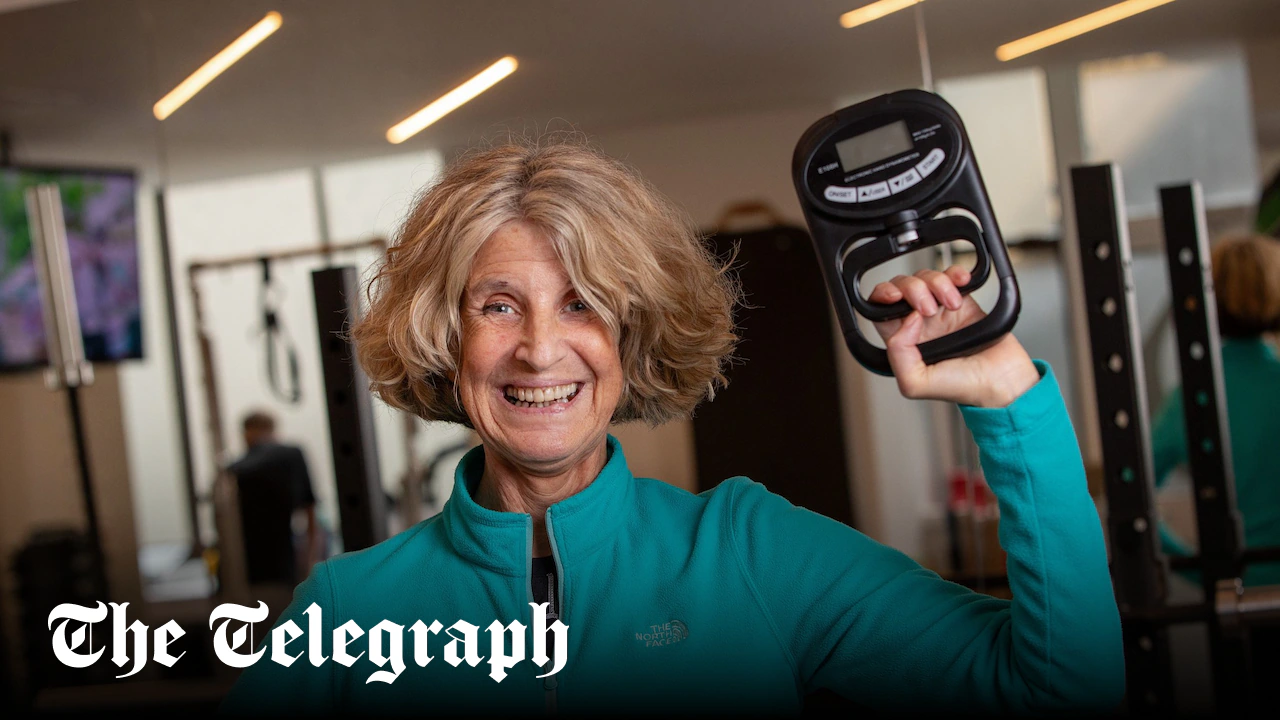
Why does grip strength matter?
A weak grip is more problematic than requiring you to have someone else around to open your jars; it’s a stronger predictor of death than raised blood pressure. A study published in the Lancet assessed over 140,000 adults and found that every 5kg reduction in grip strength was associated with a 16 per cent increase in all-cause mortality and a 17 per cent increase in cardiovascular death.
“Grip strength represents far more than just forearm and hand muscle power,” explains Mr Kunal Kulkarni, a consultant orthopaedic hand and wrist surgeon. “It is the end-product of signals from the brain.”
As Mr Kulkarni outlines, this journey starts in the motor cortex of the brain and travels via the spinal cord and peripheral nerves down to the muscles and tendons that coordinate movement. Because so many interconnected systems must work in harmony to maintain this biological highway, your squeeze serves as an ideal proxy for overall health, making grip strength a vital screening tool for the whole body. A weak grip has also been associated with increased risk of osteoporosis, diabetes, rheumatoid arthritis, obesity and falling.
“It may also flag a fading mind,” warns Mr Kulkarni. A study of almost half a million people found that those with the weakest grip strength were 72 per cent more likely to develop dementia, and 87 per cent more likely to die from it than those with the strongest.
It’s also heavily linked to poorer memory and slower cognitive function. “The cause may be small blood vessel disease, which reduces blood flow to relevant areas of the brain, damaging cells and dulling memory and thinking speed,” Mr Kulkarni explains. My results were clearly not to be ignored.
My six-week experimentWeek one
After my test, Hopper ran me through six exercises to target different aspects of grip strength, advising me to run through them on alternate days.
On his advice, I invested in a small collection of tools, including 1.5kg and 2kg dumbbells, 2kg kettlebells and a Micro-Grip Hand Exerciser – which looks like secateurs but with a large steel spring instead of blades.
Back home, I started my first session after lunch, full of hope. The routine seemed straightforward – I was going to breeze through.
How wrong I was…