
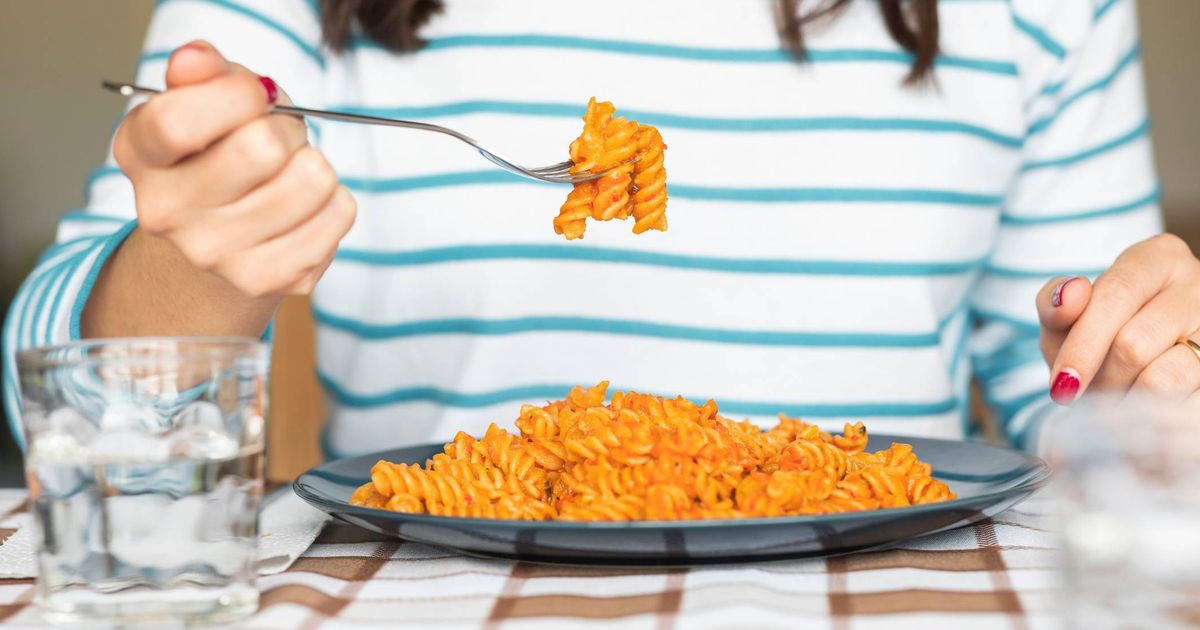
Health expert Dr Eric Berg has warned that it can spike blood sugar levels significantly more than regular sugar
It can cause blood sugar levels to spike due to its high GI value (stock image)(Image: Getty)
A health expert has issued a warning about a certain carbohydrate that is “more dangerous than sugar” and can cause “spike blood sugars significantly”. Dr Eric Berg, DC, who has an impressive following of over 13 million subscribers on his YouTube channel, shed light on the potential health risks maltodextrin poses to blood sugar levels.
Dr Berg is a renowned expert in ketosis and intermittent fasting, regularly sharing insightful and educational content across his social media platforms. He penned the best-selling book The Healthy Keto Plan and serves as the Director of Dr Berg Nutritionals.
Ketosis is a metabolic state in which your body burns fat for fuel instead of glucose. This condition is marked by high levels of ketones in your blood or urine.
Studies suggest that following a ketosis diet can aid weight loss, regulate blood sugar levels, and diminish the risk of heart disease. It could also potentially curb hunger pangs, boost energy levels, and enhance skin complexion.
In his advice to those aiming to maintain stable blood sugar levels, Dr Berg cautioned: “There is this carb that is way more dangerous than sugar. Now, people tend to think sugar is the worst, but there are other things that are even worse than sugar.
“This specific carb is bad, and I’m going to tell you why. Let’s take a look at the glycemic index, where is sugar? Well, table sugar is about 65, not terribly high. Where’s glucose? 100. Where is this carbohydrate? Between 116 and 136 on the glycemic index.
“So in other words, it’s a carb that’s not classified as a sugar, but acts like a sugar in a much more deadly way. As far as what it can do to your blood sugars, it just will really spike it. And this carb is called maltodextrin.
“It’s in other forms, too. It’s in modified food starch and modified corn starch. It’s in many foods. They put it in a lot of sugar-free products as ‘no sugar’, even though it really, to me, it is a sugar.” He wrapped up his video with some guidance, urging viewers: “So start reading the labels and avoid maltodextrin.”
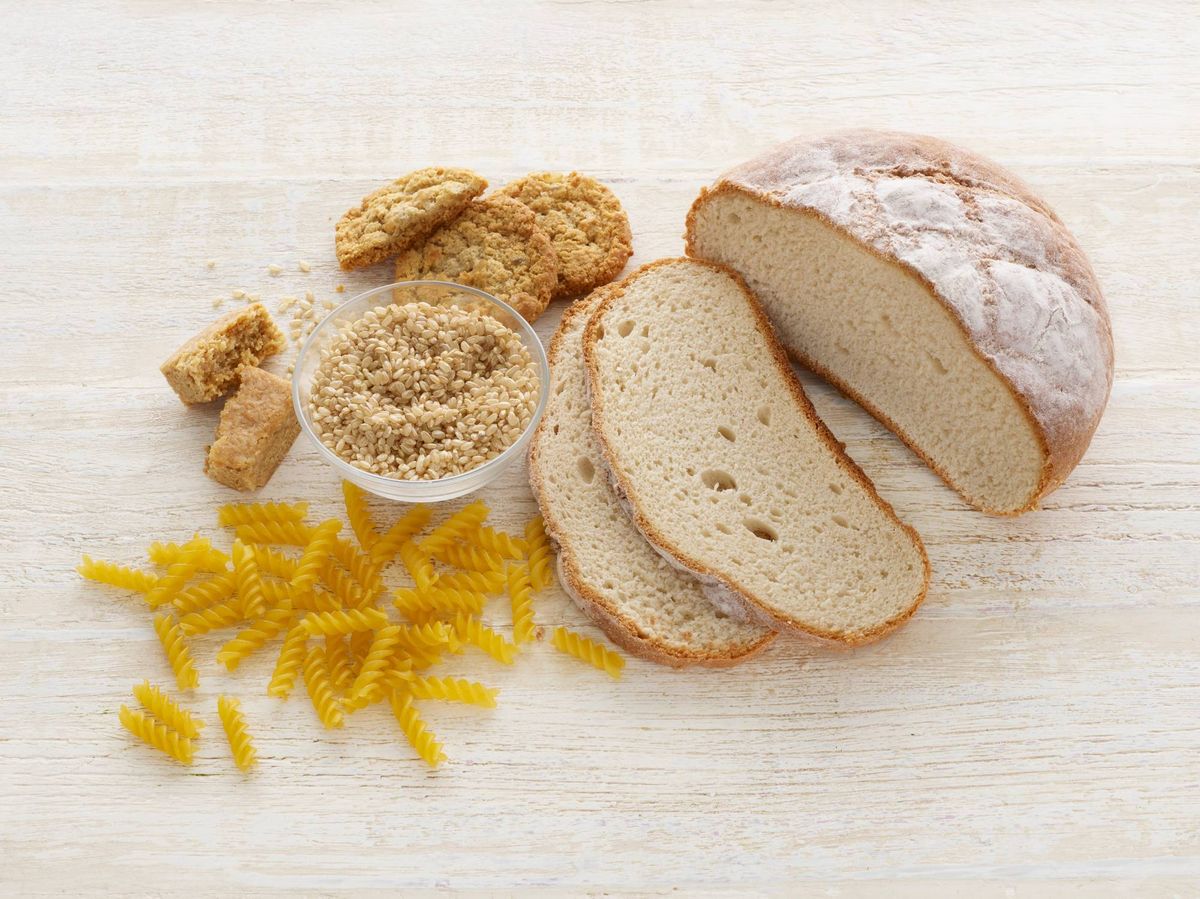
Bread and pasta, studio shot.
What is maltodextrin, which foods include it, and should we be concerned?
Maltodextrin is a white, powdery starch that crops up in numerous processed foods, including:
Baked goods – such as pastries, crackers, and granola barsCooked cereals and breakfast drinksSoft drinks, candies, and other sweetsDairy – including instant pudding and other ready-made mealsSalad dressings, especially creamy varietiesSoups and frozen mealsMeat substitutesSports drinksPasta, rice, beer, and artificial sweeteners
According to Holland and Barrett’s website: “Maltodextrin is actually a polysaccharide, which is a specific type of carbohydrate made from a cluster of sugar molecules that are all bonded together. Generally speaking, maltodextrin is a starch that’s made from multiple sugars, which tend to come from corn, wheat, rice, potato or tapioca.”
Whilst maltodextrin isn’t technically classified as sugar, it acts in a similar fashion by triggering sharp rises in blood glucose levels – primarily due to its high glycemic index, which surpasses that of ordinary sugar. Although it isn’t gluten per se when sourced from wheat, it may contain trace amounts of gluten that can linger even after processing.
Maltodextrin serves various functions in food products, enhancing flavour, consistency, and shelf life. It operates as a bulking agent, extender, stabiliser, and preservative alike.
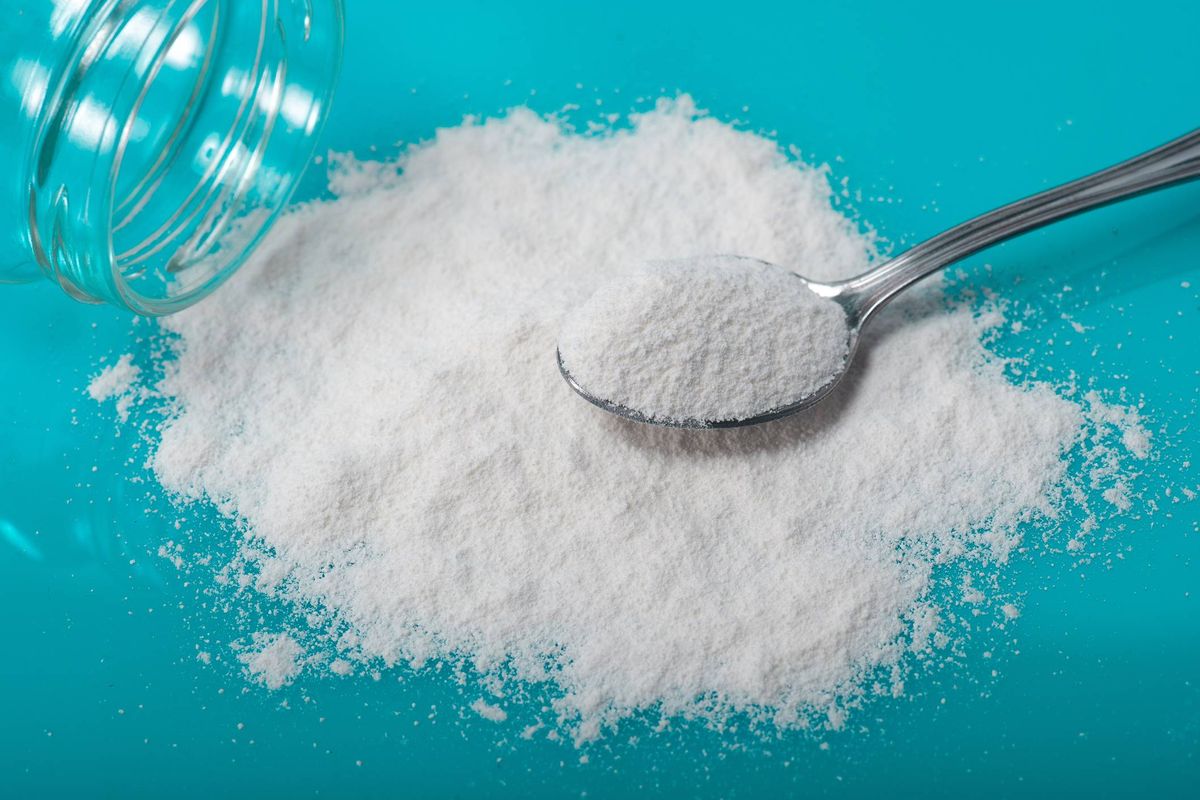
Diet supplement, glucosamine, fructose, dextrose or spirulina extract. Could also be a Sport Supplement like lysine, guarana, valine or protein powder.
For babies with lactose intolerance, maltodextrin can serve as a lactose alternative in their feedings. Moreover, it’s routinely added to sports beverages and supplements to deliver rapid energy for athletes and fitness enthusiasts.
Certain people believe that maltodextrin may pose health risks. Conversely, regulatory bodies such as the Food and Drug Administration (FDA) maintain that it constitutes a safe food additive.
Should someone consume excessive amounts of maltodextrin-laden foods, their diet could become high in sugar, low in fibre, and brimming with highly processed fare. This type of dietary pattern can heighten the likelihood of elevated cholesterol, gaining weight, and developing type 2 diabetes.
Maltodextrin boasts a higher glycemic index (GI) than your standard table sugar, meaning that munching on foods containing maltodextrin can trigger a swift surge in blood sugar levels post-meal.
Such a sudden elevation in blood glucose can be perilous for those with diabetes or insulin resistance, particularly if their blood sugar lingers at a high level for a prolonged period or skyrockets to alarmingly high levels.
A high GI indicates that the sugars in these foods are rapidly absorbed into the bloodstream, facilitating rapid absorption by the body. Conversely, complex carbohydrates such as beans and whole-wheat pasta are healthier alternatives due to their slower absorption rate.