
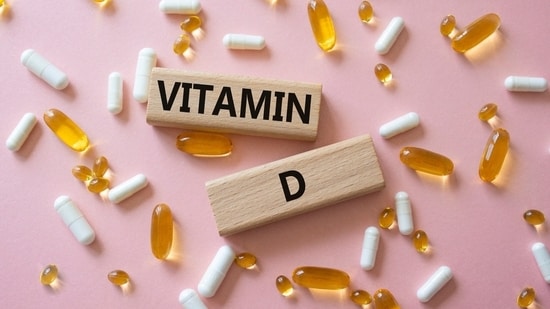
With vitamin D playing a crucial role in bone health, immunity, and overall well-being, knowing how and when to take it can make a difference. Dr Priyanka Sehrawat, Neurologist and General Physician, MD Medicine and DM Neurology (AIIMS Delhi), based in Gurugram, Haryana, reveals in her February 10 Instagram post the best time of day to take vitamin D supplements for optimal absorption and effectiveness. (Also read: Gurugram neurologist shares ‘1 simple tip’ that can save you from paralysis and long-term nerve damage: ‘Most people…’ )
 Take Vitamin D with milk for better absorption and stronger bones, says Dr Sehrawat. (Shutterstock)When is the best time to take vitamin D supplements
“Vitamin D supplements come in various forms, capsules, vials, syrups, and sachets (powder that you dissolve). Vitamin D is a fat-soluble vitamin, which means its absorption is maximum when there is fat present in the gut,” Dr Sehrawat says.
She adds, “I usually tell my patients that since it is a fat-soluble vitamin, the best time to take it is when your gut contains fat, typically during your largest meal of the day. For example, if you have a good breakfast or a substantial lunch with rice, curd, and vegetables, which include carbohydrates, fats, and proteins, your gut has the right composition to absorb Vitamin D effectively.”
How to consume it
For those taking sachets or powdered Vitamin D, Dr Sehrawat recommends, “Take it with milk instead of water. First, milk contains good, healthy fats. Second, milk is a rich source of calcium, and calcium and Vitamin D work hand in hand. When your body has adequate Vitamin D, it helps calcium get absorbed into your bones. Similarly, if calcium intake is good, Vitamin D absorption from the intestine into the bloodstream is also improved.”
Following these simple guidelines can help ensure that your body gets the most out of your Vitamin D supplements, supporting stronger bones and overall health.
What science says
According to a 2019 fact sheet published by the Office of Dietary Supplements (ODS) at the U.S. National Institutes of Health (NIH), vitamin D plays a crucial role in promoting calcium absorption and maintaining bone health. The report explains how the vitamin is obtained through sunlight, dietary sources, and supplements, and outlines serum concentration standards used to assess vitamin D status.
While biologically inactive until converted in the body, vitamin D is essential to prevent deficiencies such as rickets in children and osteomalacia in adults, as well as to support proper bone mineralisation and calcium metabolism.
Note to readers: This article is for informational purposes only and not a substitute for professional medical advice. Always seek the advice of your doctor with any questions about a medical condition.
This report is based on user-generated content from social media. HT.com has not independently verified the claims and does not endorse them.