

Dieting is usually tied to weight loss or muscle gain, but what you eat also plays a major role in bone health.
A large new analysis suggests that one widely followed eating pattern may help protect bones, while another popular approach could increase the risk of bone loss and fractures.
Researchers from Chester Medical School in England found that following a Mediterranean diet was linked to a lower risk of hip and overall fractures, while diets that heavily restrict calories were associated with signs of increased bone breakdown.
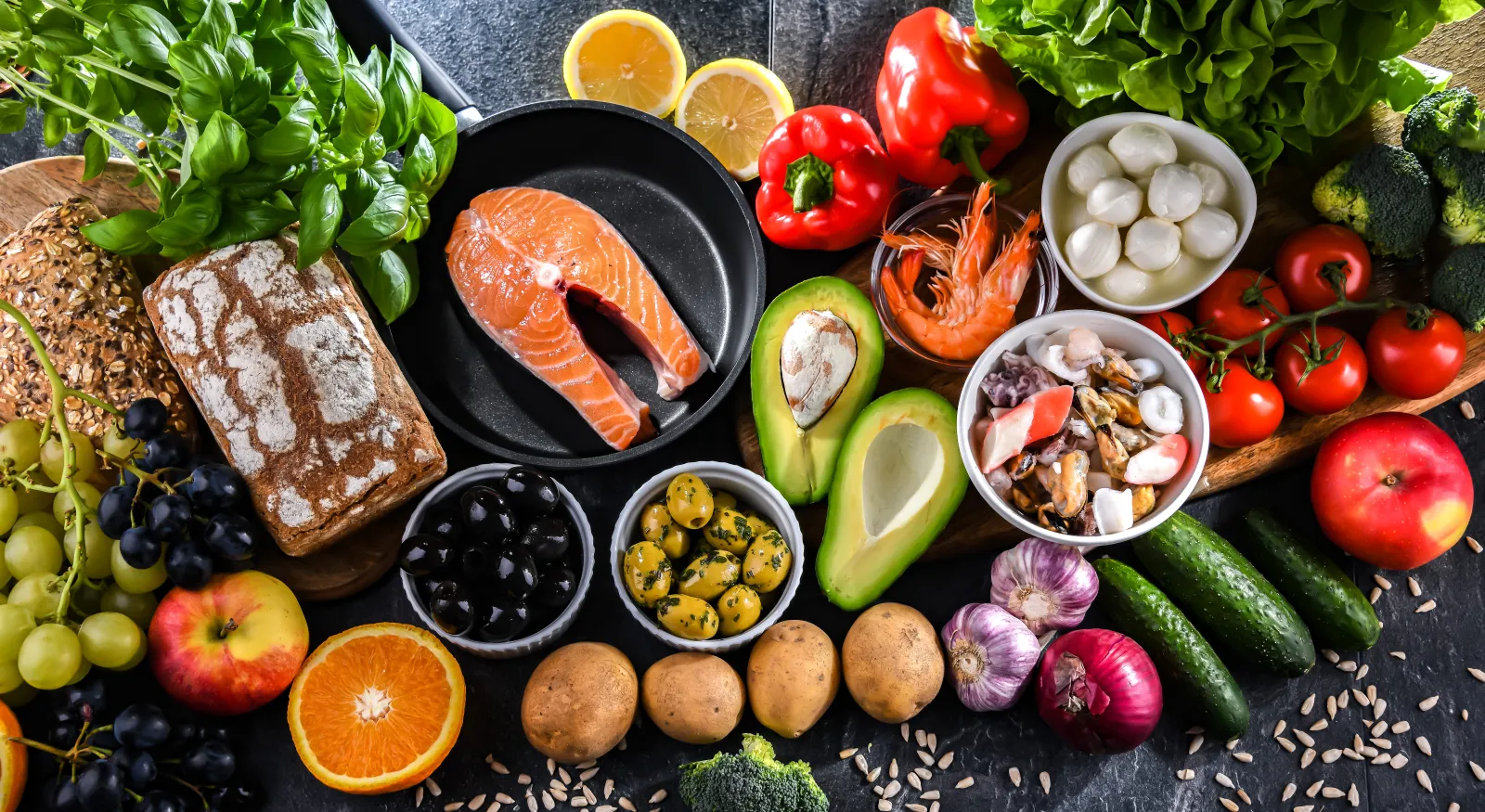
The Mediterranean diet emphasizes vegetables, fruits, whole grains, beans and olive oil, along with moderate amounts of fish, poultry and dairy. According to the researchers, people who closely followed this pattern were less likely to experience fractures, even though overall bone mineral density did not significantly change.
The research team analyzed 30 studies involving more than 500,000 adults to better understand how popular diets affect skeletal health. Their systematic review and meta‑analysis examined the impact of Mediterranean, calorie‑restricted, high‑protein, low‑carbohydrate and ketogenic diets on bones.
Ketogenic diets, the study noted, are characterized by very low carbohydrate intake combined with moderate to high fat consumption.
While most dietary patterns showed little effect on bone mineral density itself, the Mediterranean diet stood out for its association with a lower risk of fractures.
In contrast, calorie‑restricted diets were consistently linked to increased markers of bone resorption—the process by which bone tissue is broken down.
Study lead, Associate Professor Dr. Ioannis Kanakis, said in a statement: “Conversely, diets that heavily restrict energy, as in calorie restriction, or omit major food groups, can reduce mechanical loading via weight loss, alter drivers of bone remodeling and change calcium or vitamin D biological availability, thereby increasing resorption—the breakdown of bone tissue.”
Dr. Lucy Hooper, a general practitioner who was not involved in the study, told Newsweek that bone loss can happen faster than many people realize.
“Bone loss can occur relatively quickly during rapid weight loss,” she said, adding that resistance training and adequate calcium and vitamin D intake may help reduce the risk.
 What the Researchers Found Overall
According to the authors, this is the first systematic review to collectively examine how these specific diets affect bone homeostasis, or the body’s ongoing process of renewing bone tissue, across such a large number of participants.
“To our knowledge, this is the first systematic review which collectively analyses the impact of these specific diets on bone homeostasis—the continuous renewal of bone tissue—with a high number of participants,” Kanakis said.
The study highlights that nutrition influences skeletal health through more than just individual nutrients. While calcium, vitamin D and protein are essential, overall dietary patterns shape bone health through a combination of micronutrients, macronutrients and bioactive compounds.
Kanakis said that the Mediterranean diet’s benefits may come from its overall nutritional makeup.
“Plausible reasons for the findings on the Mediterranean diet include higher intakes of fruits, vegetables, whole grains, legumes, fish, and olive oil that collectively supply calcium, magnesium, vitamin K, potassium, polyphenols and anti‑inflammatory constituents supportive of bone remodeling and microarchitecture,” Kanakis said.
He concluded: “This work clarifies the complex relationship between nutrition and musculoskeletal health, reinforcing the Mediterranean diet as a practical dietary strategy to reduce fracture risk and informing guidelines for managing bone health during weight loss.”
Why This Matters for Popular Dieters
The Centers for Disease Control and Prevention (CDC) says weight loss or low‑calorie diets are the most commonly reported special diets among adults, ahead of diabetic, low‑carbohydrate and low‑fat ones.
Hooper told Newsweek: “Low calorie diets are also often associated with lower body weight.
“Because bones strengthen in response to mechanical load, carrying less weight can reduce the stimulus needed to maintain bone strength.”
Hooper said reducing calorie intake can lead to a reduction in bone mineral density, with blood markers suggesting this occurs because bone resorption increases.
“The greatest impact tends to be seen with very low‑calorie intake, particularly when daily intake falls below about 60 percent of recommended energy requirements,” she added. “The hips appear to be affected more than the spine.
“In addition, restrictive diets may lack important nutrients such as calcium and vitamin D, both of which are essential for maintaining bone health.”