

Published April 27, 2026 06:00AM
It has been more than 40 years since researchers at the University of Toronto developed the idea of the glycemic index. The glycemic index (GI) was initially created as a dietary tool for diabetics who need to be especially cautious about their blood glucose (sugar) levels. Diets with a high GI can be a risk factor for developing diabetes. But over the years, it’s been viewed as a way for us all to structure our diets to eat better carbs for improved metabolic health and maybe even fitness gains.
When you eat carbs, your body eventually breaks them down into glucose, which enters your bloodstream. This is what fuels your brain and muscles. However, some carb-containing foods cause a fast rise in blood sugar, while others provide a slower, steadier release. This is where the GI comes into play.
So what exactly is this food index, and should you use it to shape your carb choices? Here’s an in-depth look at the glycemic index and a rundown on how you can leverage it to improve your performance and nutrition.
How does the glycemic index work?
In layman’s terms, the glycemic index (GI) is a measure of how quickly a carbohydrate-containing food or drink causes a person’s blood sugar to rise after a set amount is consumed. “When you eat carbohydrates, your body converts them into glucose – but not all carbs act the same, says Carissa Galloway, a Registered Dietitian Nutritionist and a marathon race announcer. “High-GI foods lead to a rapid increase in blood sugar, while low-GI foods create a slower, more sustained response, thus a lower blood sugar number.”
Everything from rice to bread to apples is ranked on a scale of 0 to 100, with lower numbers indicating that a certain food takes longer to digest and absorb, causing a slower rise in blood glucose compared to foods with a higher number that can spike your blood sugar more rapidly. For example, carrots, chickpeas, and steel-cut oats are considered low-GI with a ranking of 55 or less. White bread, rice cakes, and ripe bananas are considered high GI with a ranking of 70 or more. White rice delivers faster carbs than a bowl of quinoa.
Here are some key points to consider regarding the GI when it comes to nutrition and performance.
Choosing healthier carbs
On the whole, the GI ranking can provide some insight into how processed a food or beverage is, because many carb-containing items like candy, cookies, and refined grains that are high on the GI scale have undergone some processing that has stripped away a sizable chunk of their nutrition and increased how fast they can shoot up your blood sugar. Or food manufacturers have taken a food and pumped in extra sugar, which impacts the GI. Plain yogurt will have a lower GI compared to most flavored versions because the latter have been further processed to have sugar added to the mix.
For day-to-day nutrition, we can pretty confidently say that foods with a lower GI are generally the best choices. They are the whole grains, legumes, and vegetables that provide fiber, along with an array of vitamins and minerals that will help you meet many of your nutritional needs.
“Outside of training, focusing on lower-GI carbs like whole grains, beans, fruits, and vegetables can help with energy stability, recovery, and long-term health,” says Galloway. “Research consistently links these foods with reduced risk of chronic disease, and I recommend that my runners build their daily diets around lower GI carbs and use higher GI carbs to support their training and endurance needs.”
Remember that foods like beans, nuts, leafy greens, and whole grains digest slowly, keeping you full longer. This makes it easier to stick to a healthy eating plan without feeling deprived.
Some research suggests that runners who consume a high-carb diet that is overall lower on the GI index may experience improved performance metrics, including increased aerobic capacity.
Not all high-glycemic foods are bad
Labeling every high-GI food as unhealthy is not the way to go. “GI only measures how a food affects blood sugar – it doesn’t necessarily reflect its overall nutritional value,” Galloway says. She explains that some high-GI foods like potatoes and watermelon provide important nutrients for runners, including potassium, vitamin C, and antioxidants. Higher in natural sugars than most other veggies, beets are surprisingly fairly high on the GI, but I can’t imagine too many nutritionists warning you against eating them – their overall nutritional profile outweighs any potential impact on blood sugar. On the flipside, adding proteins and isolated fibers to highly processed foods like cereals and cookies can significantly lower their GI, but that doesn’t make them nutritional heroes.
Like all things with nutrition, some perspective is needed when it comes to the GI. Focus on the overall nutritional value of your foods, not just the GI number.
Factors that affect the glycemic index
Some will believe that the glycemic index causes more confusion than it is worth when it comes to the way most people eat. The reason is that the GI of an individual food or multi-component meal is influenced by several factors, including:
How much of the food is eaten: The index is based on a portion size of 50 grams (200 calories) of carbohydrate, which is often not the serving size we eat. That much cantaloupe is a lot of melon.
What food is consumed: Adding protein, fat, and fiber to a meal greatly impacts how fast carbs enter your system, sending the GI on a nosedive. Galloway explains that fiber is a big factor, as high-fiber foods slow digestion, thus lowering the glycemic response of a meal compared to consuming a carb alone. For example, adding peanut butter (fat/protein) to white bread or milk and high-fiber raspberries to Cheerios reduces the meal’s overall GI.
The way a food is prepared and cooked: Cooking your spaghetti only to al dente (undercooked) will reduce its GI, or serving cooked potatoes cold, which increases resistant starch levels, makes the spud lower on the GI ranking.
Ripeness of a food: Ripeness, such as that of a very ripe banana versus a slightly green one, can shift how quickly carbs are absorbed, potentially moving its GI upward.
How the same food is processed: Processing methods that strip away fiber will increase a food’s GI. For instance, a whole orange has a lower GI than orange juice due to its fiber. Similarly, steel-cut oats have a lower GI than instant oats because they remain more intact and take longer to digest, even if their overall nutritional profiles are similar.
What you eat first: The order of what we eat during a meal changes how the GI of foods impacts our blood sugar. For instance, eating non-starchy veggies like broccoli before digging into higher GI foods like white rice or dinner rolls can reduce the post-meal blood sugar spike.
Who you are: There can be a large variation in individual glycemic responses to foods, including potatoes, rice, and grapes, based on everything from genetics to body weight to fitness level. Just because a bowl of Special K can cause one person’s blood sugar to soar does not necessarily mean it will for another individual.
All of this is to say that there are several limitations that prevent the glycemic index from being the end-all and be-all of healthy eating. There are just too many variables at play here.
Go higher when working out…
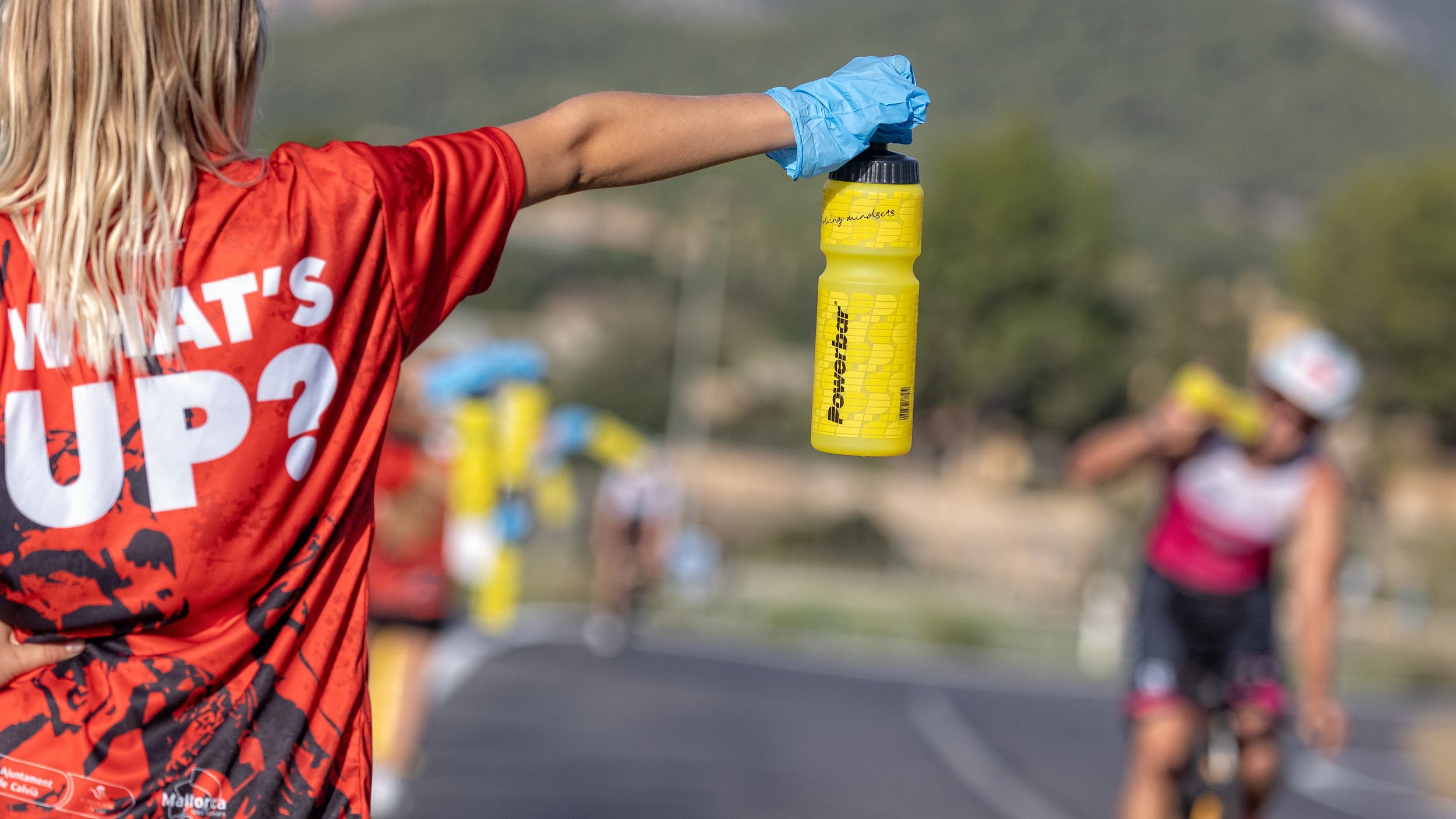 While sports drinks are extremely valuable during endurance training and racing, you might not need them post-workout when they are more likely to spike your blood sugar. (Photo: Challenge Family)
“Research shows that slower rises in blood sugar can support better energy stability and metabolic health over time; however, there are times, such as during endurance exercise, when high-GI foods are beneficial,” Galloway says. She explains that when you’re in the middle of a run or race, especially anything intense, your body prioritizes carbs it can use immediately – so high-GI sources make the most sense. “They help keep blood sugar stable in the moment and support performance.”
This means using the GI to learn how quickly carb-containing foods and drinks can raise your blood sugar can help you better plan your fuel to optimize performance. Sports drinks, gels, jelly beans, and honey are all high-GI items that can help keep you going strong. They’re easy to digest and provide quick energy without weighing you down. Just heed Galloway’s warning that consuming large amounts of high-GI carbs all at once can overwhelm the gut, leading to bloating, cramping, or nausea. Space it out and train the gut.
“In ultras or all-day efforts, relying only on high-GI fuels can feel like a rollercoaster,” cautions Galloway. “Adding in some lower-GI foods can smooth energy levels and provide a bit more staying power over time.” Another win for a Slim Jim at mile 50.
…but lower before your runs
You would think that higher GI foods before working up a sweat is the way to go because they give you a faster blast of energy. But research suggests eating low-GI foods could provide a bigger boost. Since moderate to lower GI foods lead to more stable blood sugar, endurance runners might find that they provide them with more sustained energy throughout their runs. On the other hand, high-GI pre-workout fuel can cause spikes in blood sugar and equally fast drops, leading to that bonky feeling early on during a workout.
As with all things related to sports nutrition, it is best to experiment and learn which foods work best for you before heading out for a run.
Glycemic guidelines for post-workout nutrition
Post-workout nutrition is crucial for recovery. “After exercise, your body is primed to take in carbohydrates, and higher-GI options can speed up glycogen restoration,” notes Galloway. Higher GI foods, like chocolate milk and rice cakes, help restore glycogen levels faster than low-GI options like a bowl of bulgur. This speeds up muscle repair and prepares your body for the next session. But Galloway explains this is really only beneficial if you work out regularly and have shorter periods before training sessions, say 24 hours or less. If you have a longer time frame between runs or don’t plan on working out with much intensity, then you can stick with lower-GI foods like whole grains for recovery as long as you eat sufficient amounts of carbs overall. In other words, you don’t necessarily need to pound back a gallon of Gatorade to optimize recovery.
If anything, understanding the glycemic index helps you be more mindful of your food choices to support health and performance goals. Perhaps that daily sugary Frappuccino habit is not the best idea. But it’s good to know that your favorite white pasta need not be off the table, especially when you bring the meat sauce.