
What does that look like in real life? Instead of providing a “prescription” of UV exposure, simply be less avoidant of the sun, said Dr Chu. “I’d say go out in the mid-morning or late afternoon, make it short and regular, with a decent bit of skin uncovered.”
And you’ll need direct sun; being in the shade cuts down UVB a lot, he said. This isn’t an excuse to forgo sunblock. You should still use sunscreen properly and top up if you sweat a lot – rather than hoping incidental exposure covers you, said Dr Chu.
But scratch all that if you’re fair-skinned, or have a personal or family history of skin cancer; you’re better off taking supplements, said Dr Chu. “You can replenish Vitamin D with a tablet safely and cheaply. You cannot undo photodamage.”
WHAT ABOUT FOOD SOURCES OF VITAMIN D?
Yes, your diet can also contribute to your Vitamin D need, said Dr Phuan. If you’re sun shy, you may be better off supplementing your diet with Vitamin D-fortified foods, such as drinking two eight-ounce glasses (about 240ml per glass) of fortified milk or orange juice each day.
“Foods high in Vitamin D include fatty fish, such as salmon or trout. Foods fortified with added Vitamin D are another source,” said Dr Phuan. “These include milk, yoghurt, some plant milks such as soy, almond and oat milk, and some cereals. Some mushrooms are treated with ultraviolet light, which gives them more Vitamin D (look for the ‘Vitamin D’ label).”
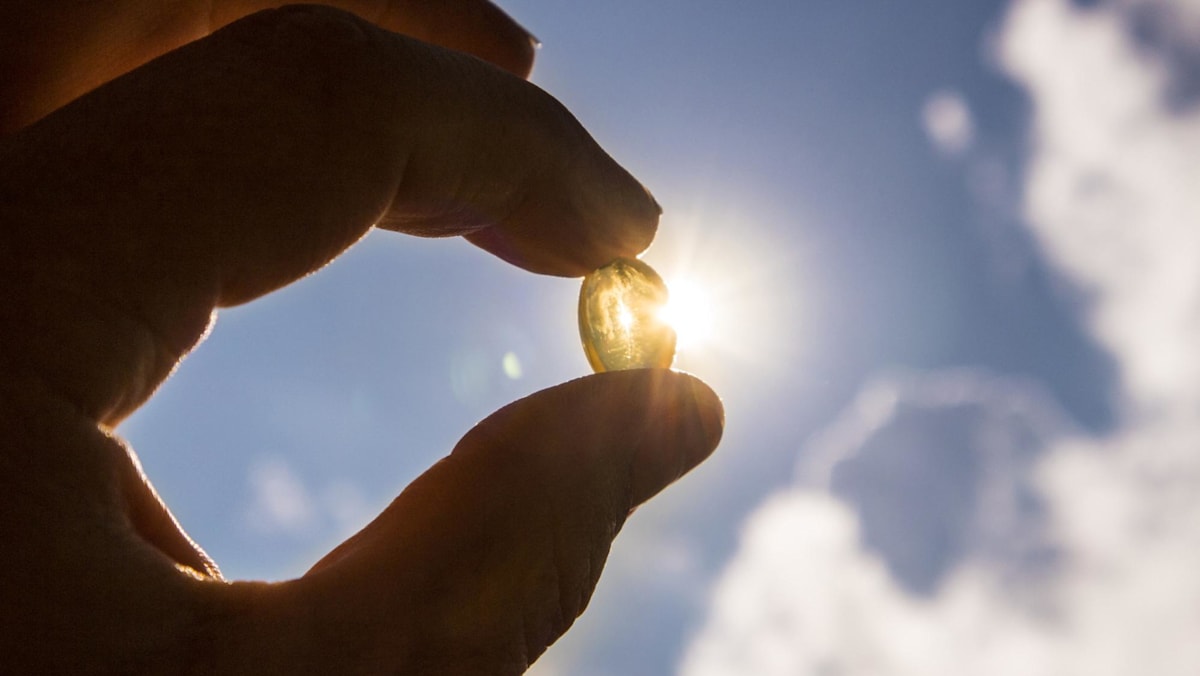
If you’re thinking of taking supplements, Dr Suezaini said that most healthy adults need about 600IU a day, while those above 70 may need about 800IU daily. “Those clearly deficient may need higher doses for a period of time, but this should be guided by a doctor,” she said.
Over-dosing with over-the-counter Vitamin D is no light matter. Excess Vitamin D can lead to hypercalcaemia, which means the calcium levels in your blood are higher than normal. Severe cases, though rare, can cause issues such as kidney failure, abnormal heart rhythm (arrhythmia), unsteady gait and/or confusion.