
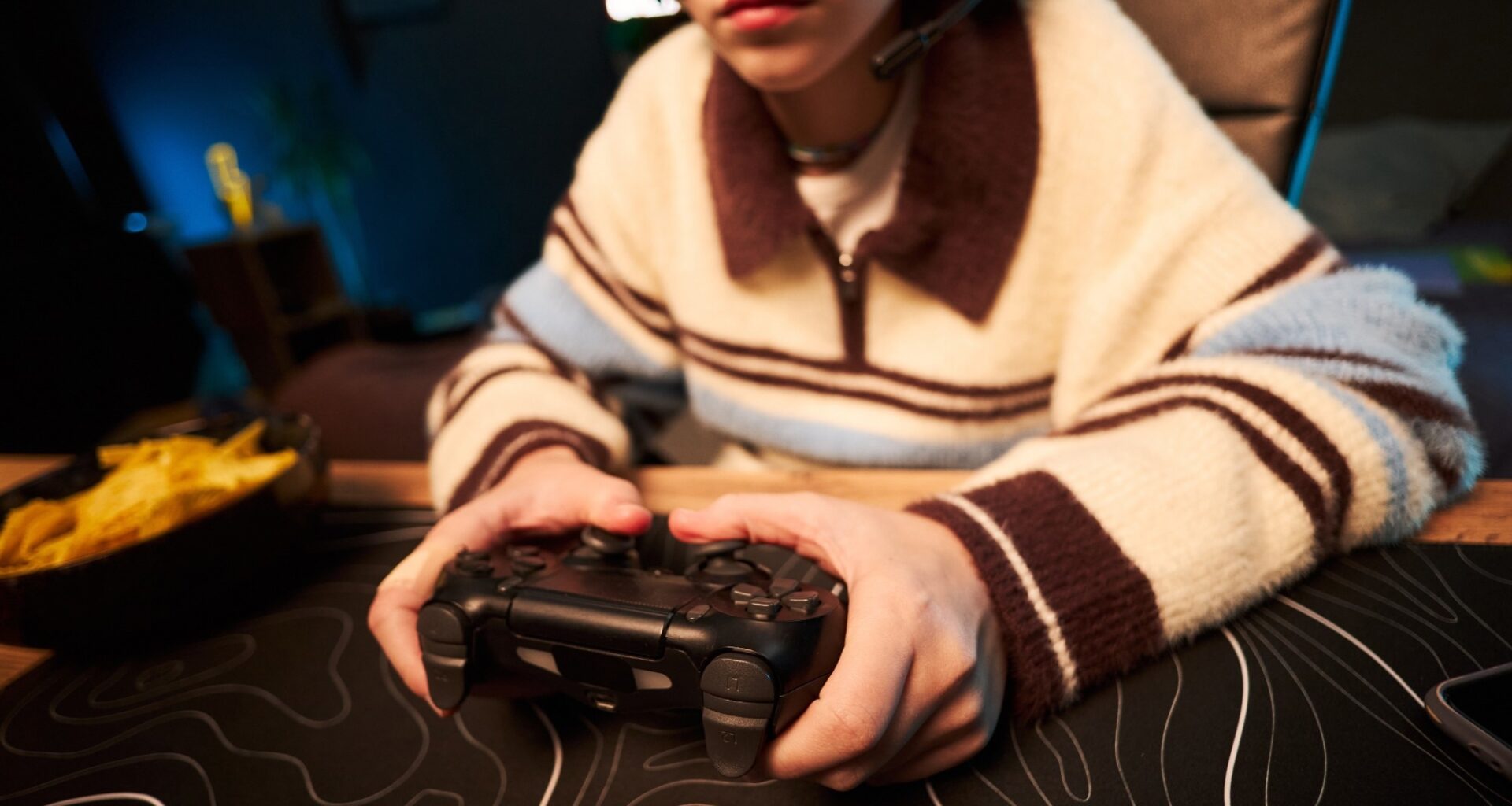
A new review suggests gaming’s health effects are not simply good or bad, showing how stress relief and social connection can coexist with poorer sleep, disrupted eating, and lower activity depending on how, when, and why people play.
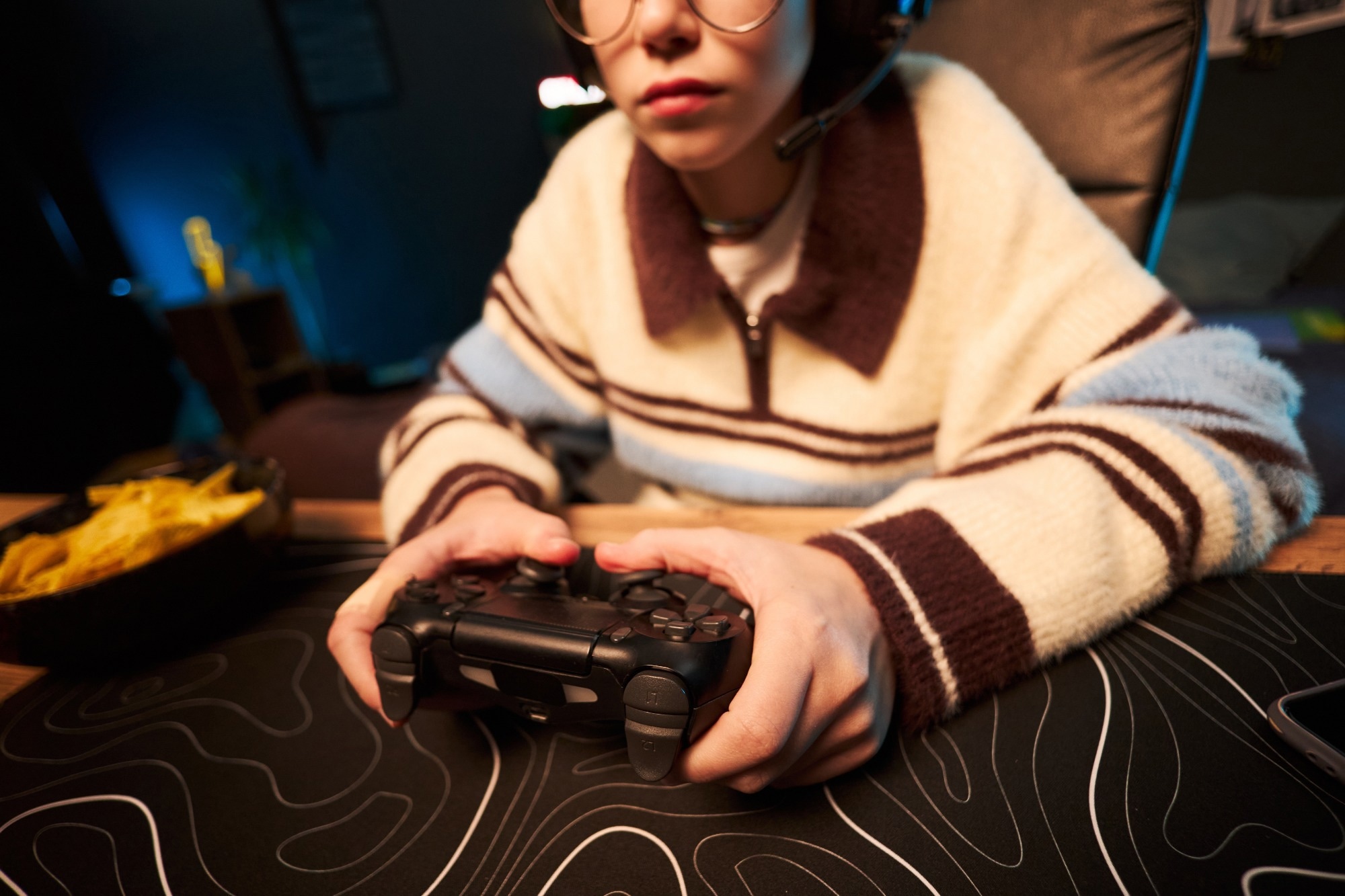
Review: A Critical Appraisal of the Links Between Video Gaming, Lifestyle Factors, Diet and Eating Behaviour: A Narrative Review. Image Credit: Dragon Images / Shutterstock
In a recent study published in the journal Nutrients, a group of authors synthesized existing evidence on how video gaming influences lifestyle behaviors, including diet, sleep, physical activity, and psychosocial stress, and explained underlying mechanisms.
Global Gaming Growth and Health Concerns
With over 3.3 billion gamers worldwide, video gaming has become one of the most dominant leisure activities, especially among young people. As screen time increases, questions arise about whether gaming supports or harms health. Video games involve cognition, emotional responses, and social interaction, which may influence daily habits such as sleep, eating, and physical activity. Some studies report benefits such as stress relief and social connection, while others associate gaming with sedentary behavior and poorer dietary patterns. Evidence across health domains remains inconsistent, underscoring the need for further research on the long-term relationships among gaming, lifestyle behaviors, and health outcomes.
Video Gaming Review Methods and Scope
The authors identified relevant literature through targeted PubMed and Google Scholar searches conducted between December 2025 and February 2026, focusing on publications from 2000 to 2025. Search terms included video gaming, diet quality, eating behavior, physical activity, sleep, psychosocial stress, and food intake. Only studies published in English were included.
Eligible studies included experimental, longitudinal, and cross-sectional designs using validated outcome measures, as well as systematic reviews and meta-analyses. Grey literature, conference abstracts, and non-peer-reviewed sources were excluded to maintain methodological rigor.
The authors synthesized evidence across domains, including psychosocial stress, physical activity, sleep quality, eating behavior, and diet quality. They also examined biological, psychological, and environmental mechanisms underlying these relationships. As a narrative review, the study proposes a unified theoretical framework linking gaming behaviors with health outcomes across populations and contexts.
Video Gaming Effects on Lifestyle Behaviors
The findings indicate that the relationship between video gaming and health outcomes is complex, bidirectional, and context-dependent. Gaming may provide psychological benefits, such as stress reduction, improved mood, and social interaction. For some individuals, gaming offers cognitive distraction that supports relaxation. However, excessive or prolonged gaming may become a maladaptive coping strategy that avoids underlying stressors and negatively affects mental health.
Most video games are sedentary and involve minimal physical movement, contributing to lower energy expenditure. Frequent gamers may engage in less physical activity and experience increased fatigue or daytime sleepiness. This reflects the “displacement effect,” in which gaming displaces time that could otherwise be spent exercising. Although active video games, or exergames, can improve fitness, sustained engagement is often limited. Health effects may vary depending on age, gaming type, motivation, and whether play is casual, social, competitive, or problematic.
Gaming, particularly in the evening, may negatively affect sleep quality. Exposure to blue light from screens can suppress melatonin production, while cognitive and emotional stimulation may delay sleep onset. Evidence suggests that extended evening gaming is associated with later bedtimes, reduced sleep quality, increased fatigue, and impaired daytime functioning.
Gaming may also promote “mindless eating,” where attention shifts away from food, reducing satiety and increasing energy intake. Players may skip meals, eat late, and consume more energy-dense snacks and sugar-sweetened beverages. Environmental factors such as easy access to snack foods and in-game food advertising may further reinforce unhealthy eating behaviors.
These behaviors may interact. Poor sleep can impair decision-making and influence dietary choices, while low physical activity and poor diet may contribute to weight gain. The study adopts a biopsychosocial model integrating biological, psychological, and social factors. This framework highlights how gaming habits and individual characteristics such as age, gender, and motivation collectively influence health. Gaming is also distinguished from general screen time due to its cognitive engagement, physiological arousal, and social dimensions.
Biopsychosocial Conclusions on Gaming Health
Video gaming can have both positive and negative health effects depending on patterns of use. While it may support stress reduction and social connection, excessive gaming is associated with sedentary behavior, disrupted sleep, and poorer dietary habits. These effects are interconnected through biological, psychological, and environmental pathways.
The proposed biopsychosocial model provides a comprehensive framework for understanding these relationships. However, current evidence is limited by a lack of long-term studies and variability in measurement approaches. Future research should examine long-term outcomes and strategies to promote healthier gaming behaviors. Some forms of gaming, including exergaming, may offer benefits for older adults, underscoring the need for nuanced, lifespan-focused research. As a narrative review, the findings may not fully represent the broader evidence base, and rapid changes in gaming technology may limit the applicability of older studies.
Journal reference:
Deric, S., Kaewpradup, T., Adisakwattana, S., Stirling, E., Stephan, B., Nguyen, V., Radin Pereira, L., Uren, H. V., & Siervo, M. (2026). A Critical Appraisal of the Links Between Video Gaming, Lifestyle Factors, Diet and Eating Behaviour: A Narrative Review. Nutrients, 18(6). DOI: 10.3390/nu18060967, https://www.mdpi.com/2072-6643/18/6/967