
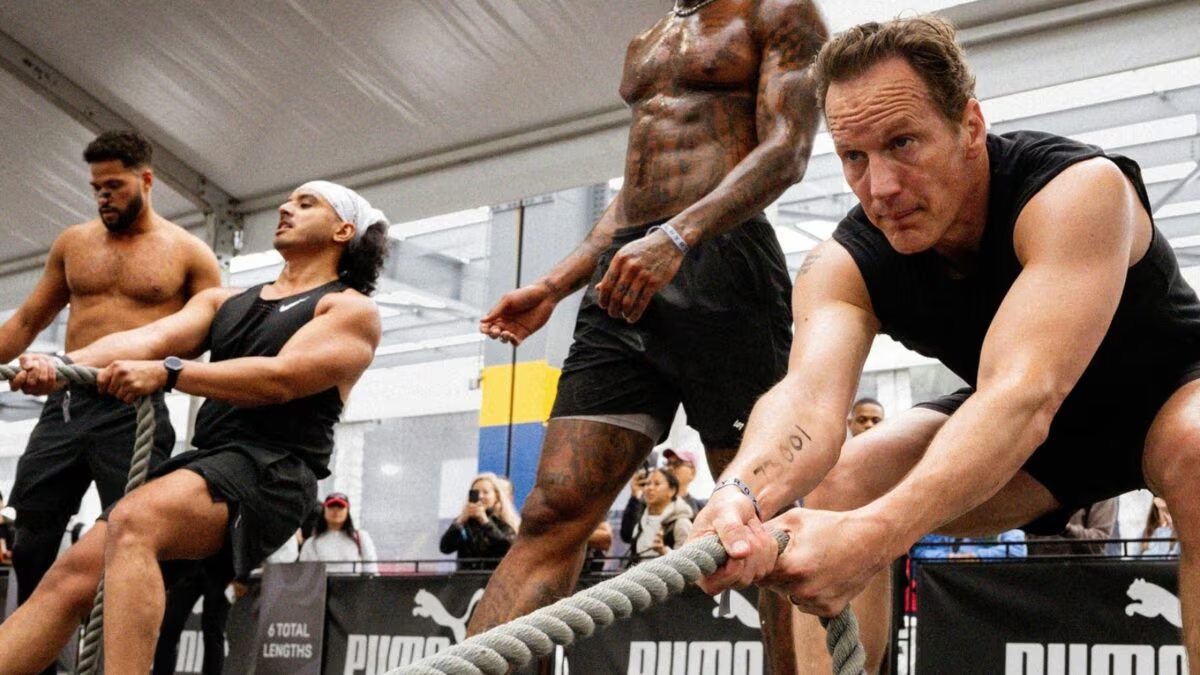
Not too long ago, fitness was largely viewed as an individual pursuit. People would head to the gym, complete their workouts, and return home with little interaction beyond their training routine. Today, that picture has changed dramatically. Across cities, countries and age groups, fitness is becoming increasingly community-driven. People are no longer looking for just a place to exercise; they are looking for environments that motivate them, hold them accountable, and help them build meaningful connections. In many ways, community has become one of the strongest drivers of long-term fitness commitment. We speak to Rahull Raghuvanshii, a certified fitness professional and managing director of Jetts Fitness, who shares 6 community-led fitness and sports trends that are redefining how people approach wellness today.
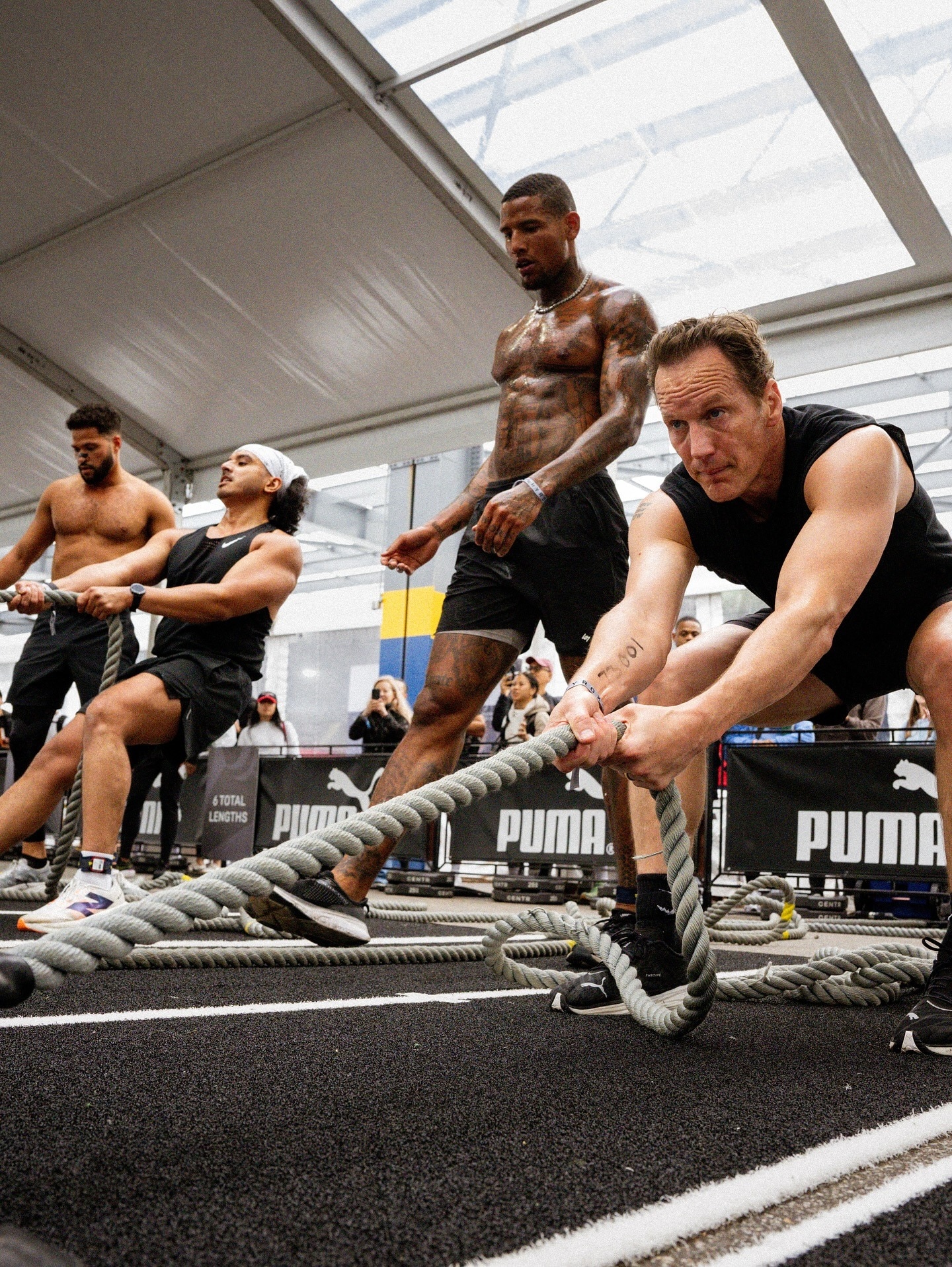
Fitness Events Are Becoming Lifestyle Experiences
From marathons and obstacle races to wellness festivals and fitness retreats, events are evolving into immersive lifestyle experiences. Participants are drawn not only by the activity itself but also by the opportunity to connect with others who share similar goals and interests. These gatherings help strengthen community bonds while introducing people to new fitness formats, wellness practices, and industry innovations. They create memorable experiences that inspire individuals to stay engaged with their health journeys long after the event concludes.
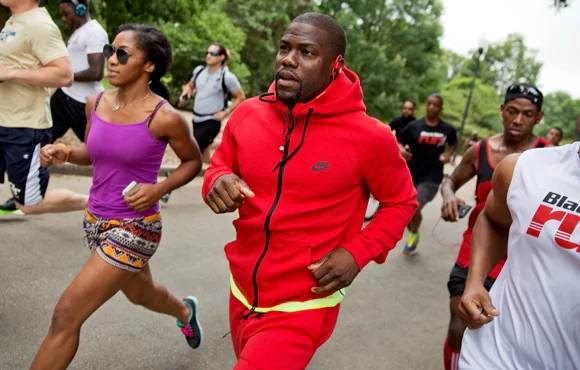
Run Clubs Are Becoming Modern Social Communities
Running clubs have evolved far beyond their original purpose. While fitness remains at the core, these communities are increasingly serving as social spaces where individuals can connect over shared interests and lifestyles. Whether it is an early morning city run or a weekend marathon training session, participants often join not just for physical activity but also for the sense of belonging that comes with being part of a group. The accessibility of running makes it easy for people from different fitness levels and backgrounds to participate, creating highly inclusive communities.
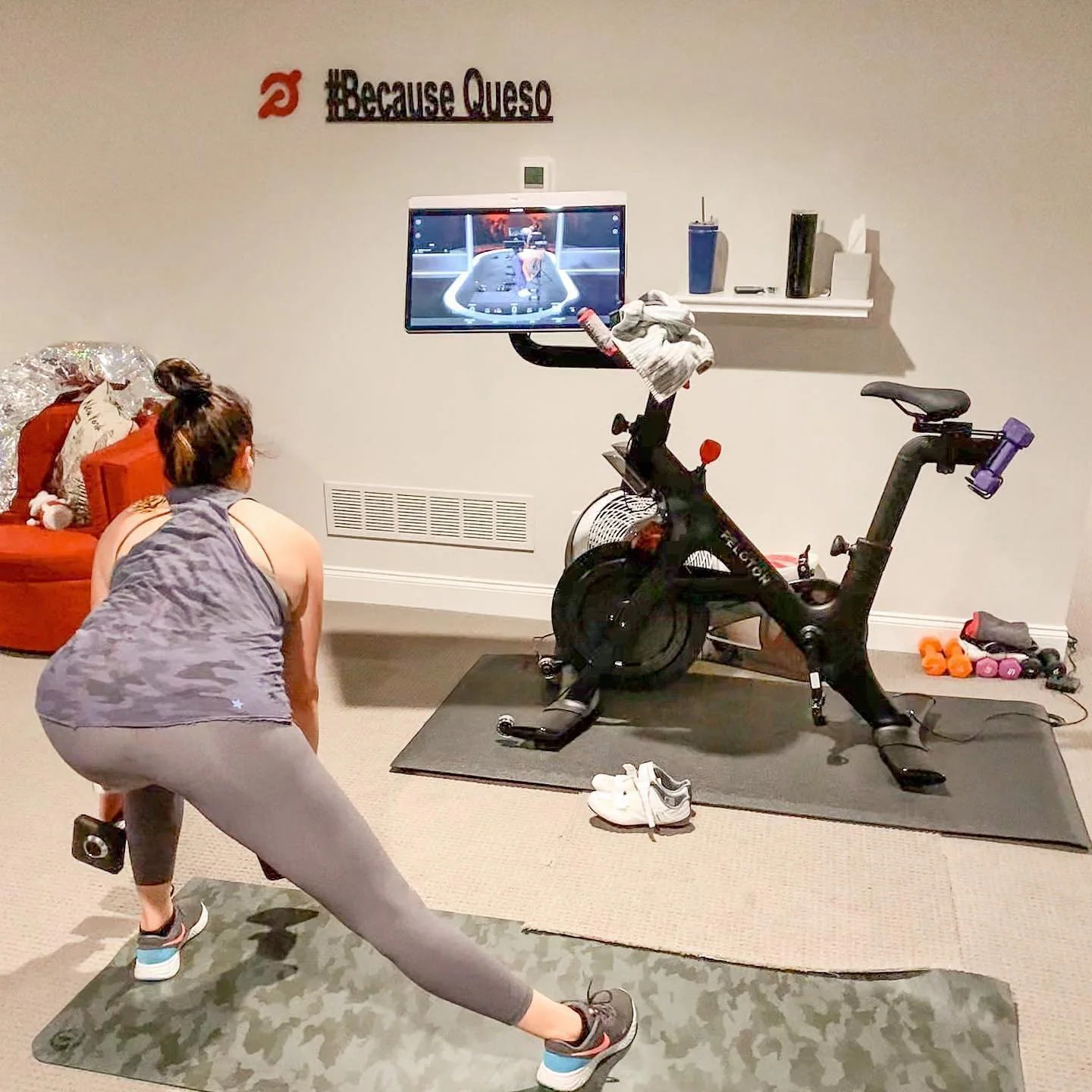
Hybrid Fitness Communities Are Here to Stay
The line between online and offline fitness continues to blur. Consumers today expect flexibility in how they engage with fitness, whether through gym sessions, virtual classes, fitness apps, or community challenges. What makes hybrid fitness particularly powerful is that it allows members to remain connected even when they are not physically present. Digital platforms help extend motivation, accountability, and support beyond the gym floor, creating a more consistent fitness experience.

Recreational Sports Are Seeing a Strong Revival
The growing popularity of sports such as pickleball, badminton, football, and padel reflects a broader shift in how people want to stay active. Many individuals are moving away from repetitive workouts and embracing activities that combine movement with enjoyment. These sports create natural opportunities for social interaction while delivering significant physical benefits. They appeal to a wide demographic because they are approachable, engaging, and easier to sustain over the long term compared to highly structured fitness programmes.
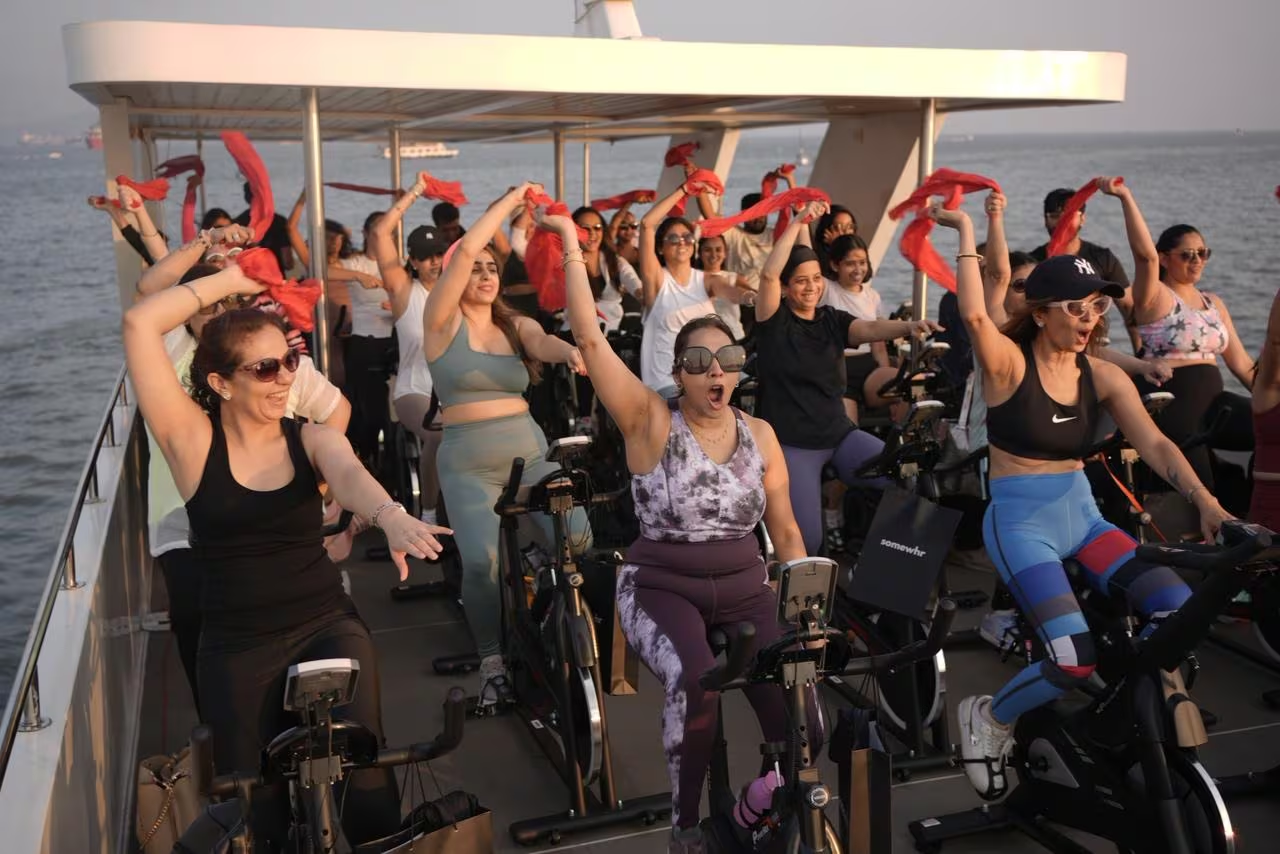
Outdoor Fitness Experiences Are Gaining Momentum
People are increasingly seeking fitness experiences beyond traditional gym environments. Outdoor boot camps, cycling groups, hiking communities, and park-based workouts have become popular among those looking to combine physical activity with fresh surroundings. The appeal goes beyond exercise itself. Outdoor fitness often fosters stronger social engagement, encourages consistency, and contributes positively to mental wellbeing. For many participants, the shared experience becomes just as valuable as the workout.

Wellness-Focused Communities Are Taking Centre Stage
Consumers today are adopting a more holistic approach to health. Fitness is no longer viewed solely through the lens of physical transformation; it is increasingly connected to recovery, nutrition, sleep, stress management, and overall wellbeing. As a result, communities that support broader wellness goals are gaining traction. Individuals want to surround themselves with like-minded people who encourage sustainable habits rather than short-term results. This shift is creating a healthier and more balanced outlook on fitness.