
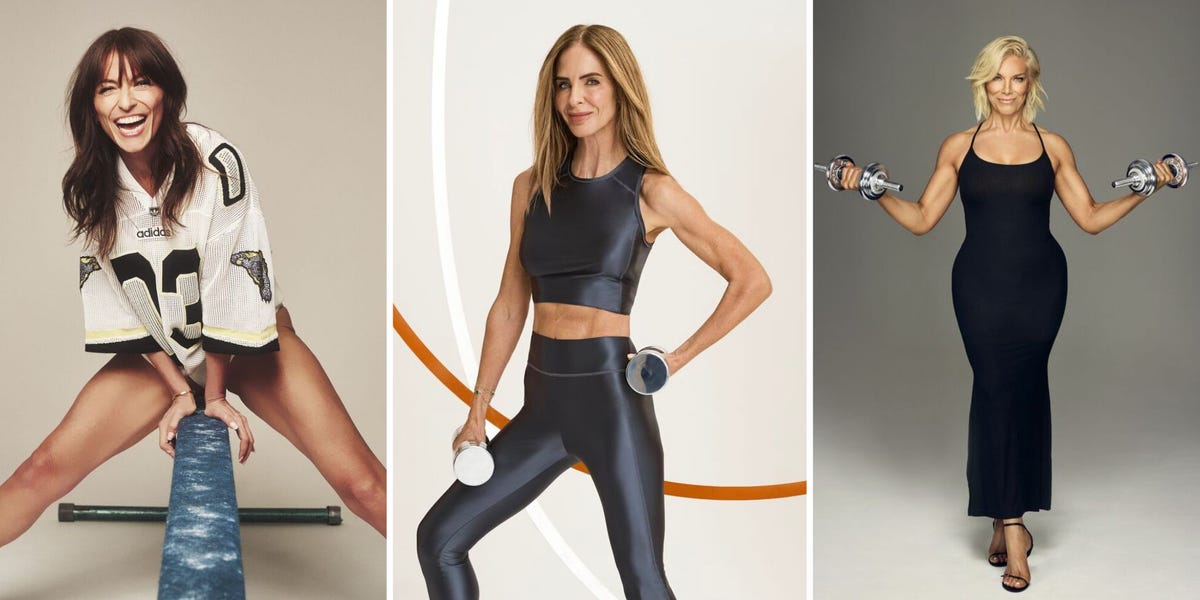
It’s all well and good us telling you it’s possible to get fitter and stronger than ever in your 50s and beyond. But like most things, you need to see it to believe it. These women are proof that despite the hormonal changes and increase in life responsibilities that come with midlife, age really is just a number when it comes to fitness.
Trinny Woodall says she’d never felt stronger at 60, just five years after starting weight training; at 58, Davina McCall calls exercise her ‘medicine’, crediting resistance training for building muscle and bone health throughout perimenopause; and Caroline Idiens says she feels ‘the best I’ve felt’ at 53, emphasising that ‘even in your 50s or 60s it’s not too late to start rebuilding muscle’.
Here, we share exactly what the 9 fittest celebs over 50 have learned about training and ageing strong – and the lessons they want to teach you.
Trinny Woodall, 62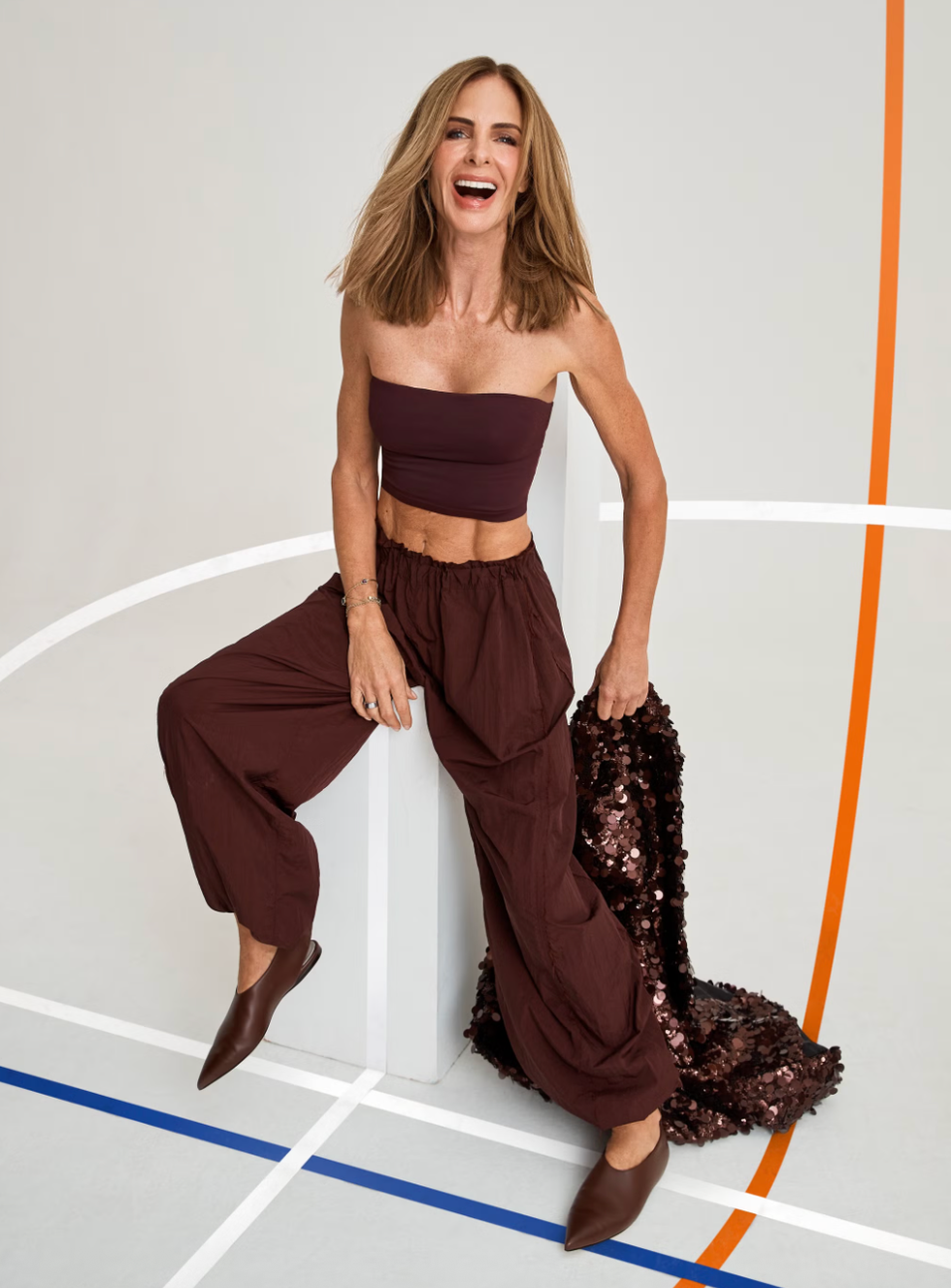
Trinny Woodall didn’t start taking strength training seriously until she was 55. Before then, she’d exercised sporadically – doing yoga, walking and occasional workouts – but she now sticks to a progressive strength training plan (gradually increasing the weight she lifts over time), with three-four sessions led by trainer Nathalie Hayward per week, focussing on compound lifts, functional fitness and mobility.
She challenges the idea that women should avoid lifting heavy weights, arguing that muscle is one of the best investments you can make for healthy ageing. At 60, she said she’d never felt stronger, and ahead of her Women’s Health UK cover shoot, she stressed the importance of muscle to be able to move and function independently: ‘I want to be able to put my heavy suitcase over my head without somebody helping me. I want to protect my bones, so if I fall at 80, I get up again.’ She added: ‘I want to be strong now, because if you feel strong, your mind feels strong, and you have that feeling of anything’s possible.’
Her message: train for the next 30 years, not the next three months.
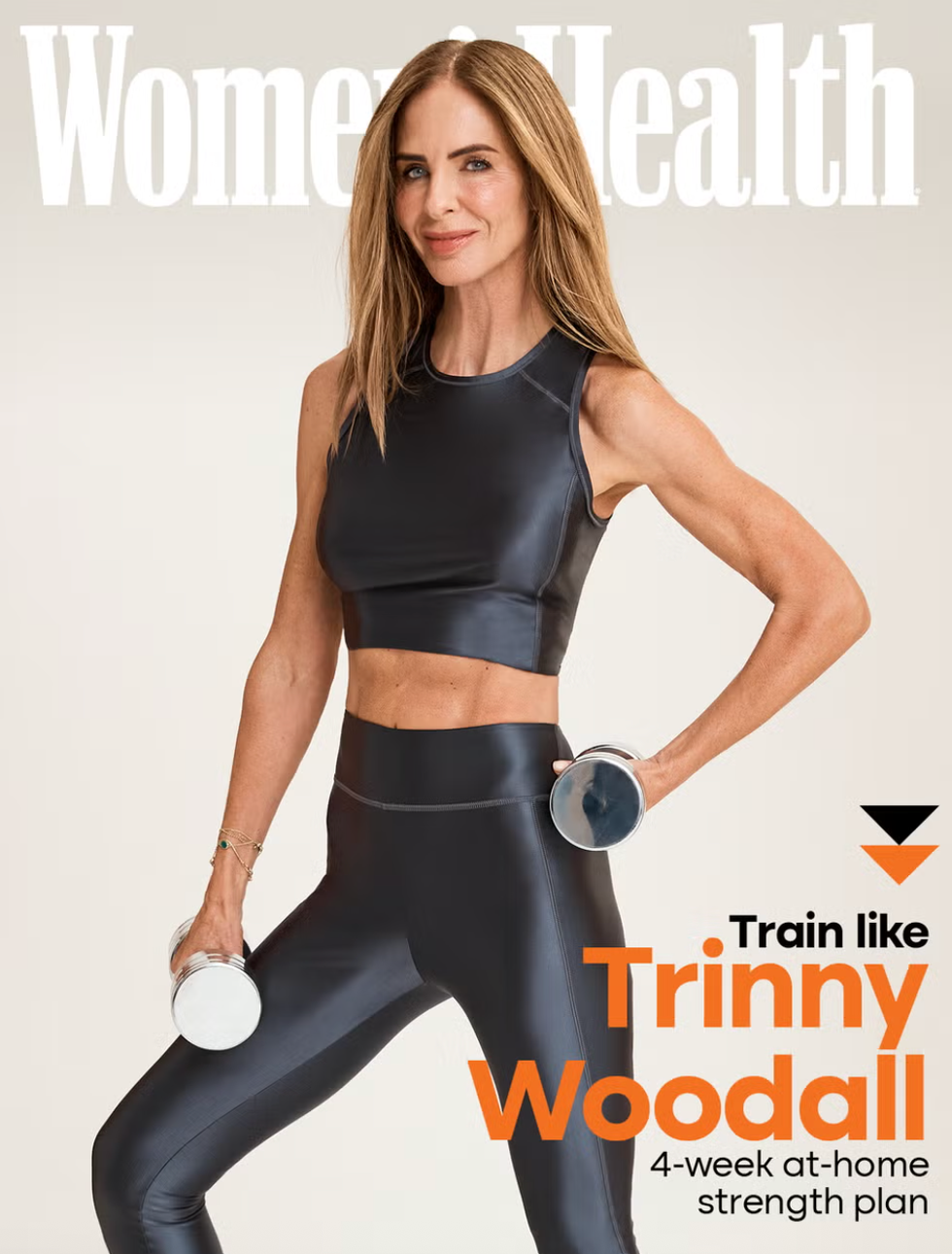
Try Trinny Woodall’s 4-week at-home strength training plan
Halle Berry, 59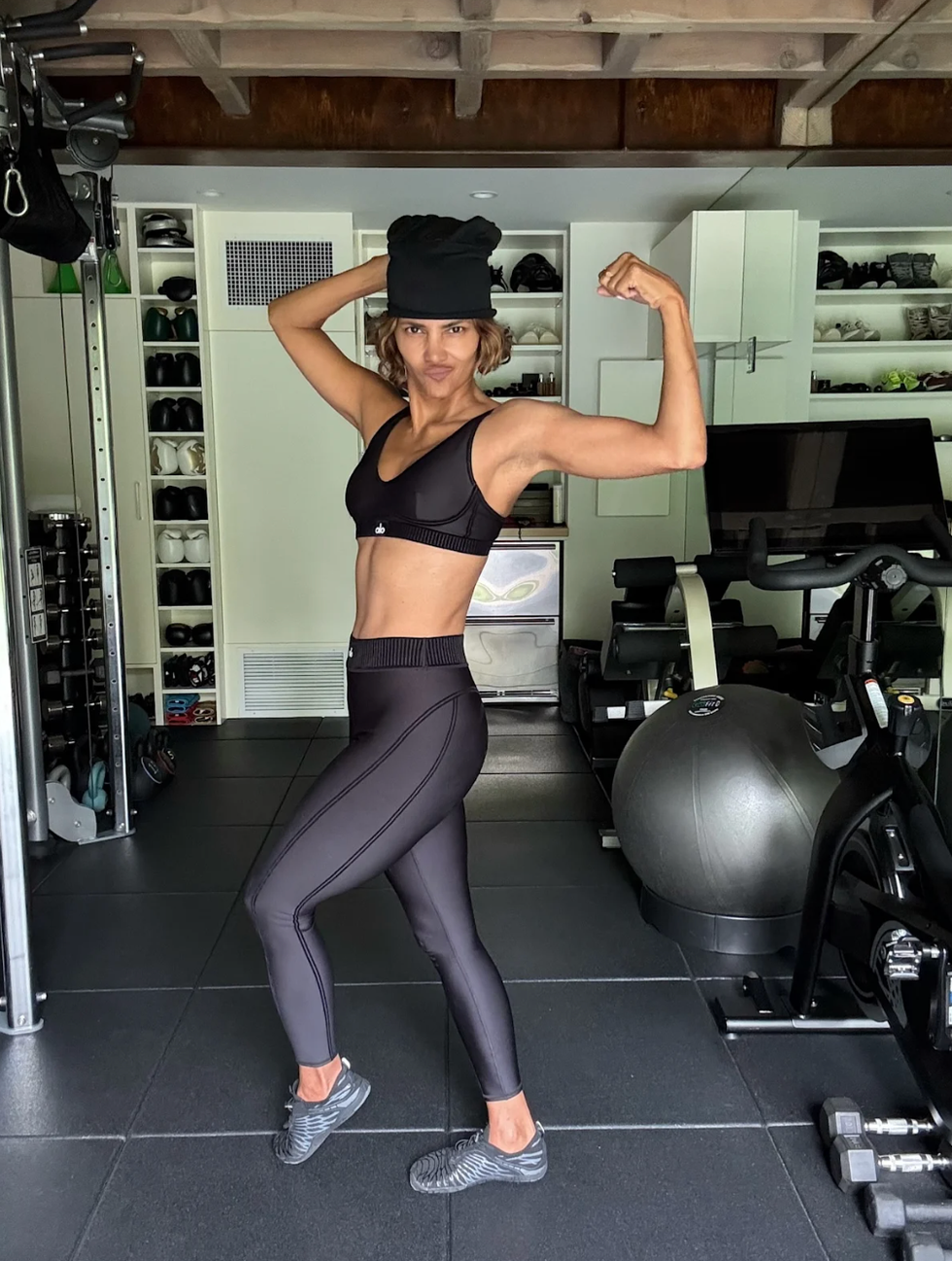
While Halle Berry has regularly exercised since her 20s to help manage her type 2 diabetes, her routine initially centred around cardio, martial arts and high-intensity training for film roles. Around the time she entered perimenopause in her 50s, she realised her body no longer responded to her training in the same way and deliberately switched her focus to muscle growth through resistance work. Speaking on The Tamsen Show, she said: ‘I have to do things differently. I used to do a lot of cardio – right now, I do no cardio. I’m trying to put muscle mass on, so I do lift weights now, and I never used to lift weights before.’
Currently, she lifts heavy weights twice a week – heavy enough that those final two-three reps feel super challenging in order to elicit the response needed for muscle to grow. At the 2025 Eudemonia summit, she encouraged women to see menopause as a time to rethink their approach to training and nutrition: ‘We’re not spiralling downward. We’re spiralling upward into the best version of ourselves.’
Her message: midlife isn’t the time to quit exercise – it’s the time to adapt how you exercise.
Davina McCall, 58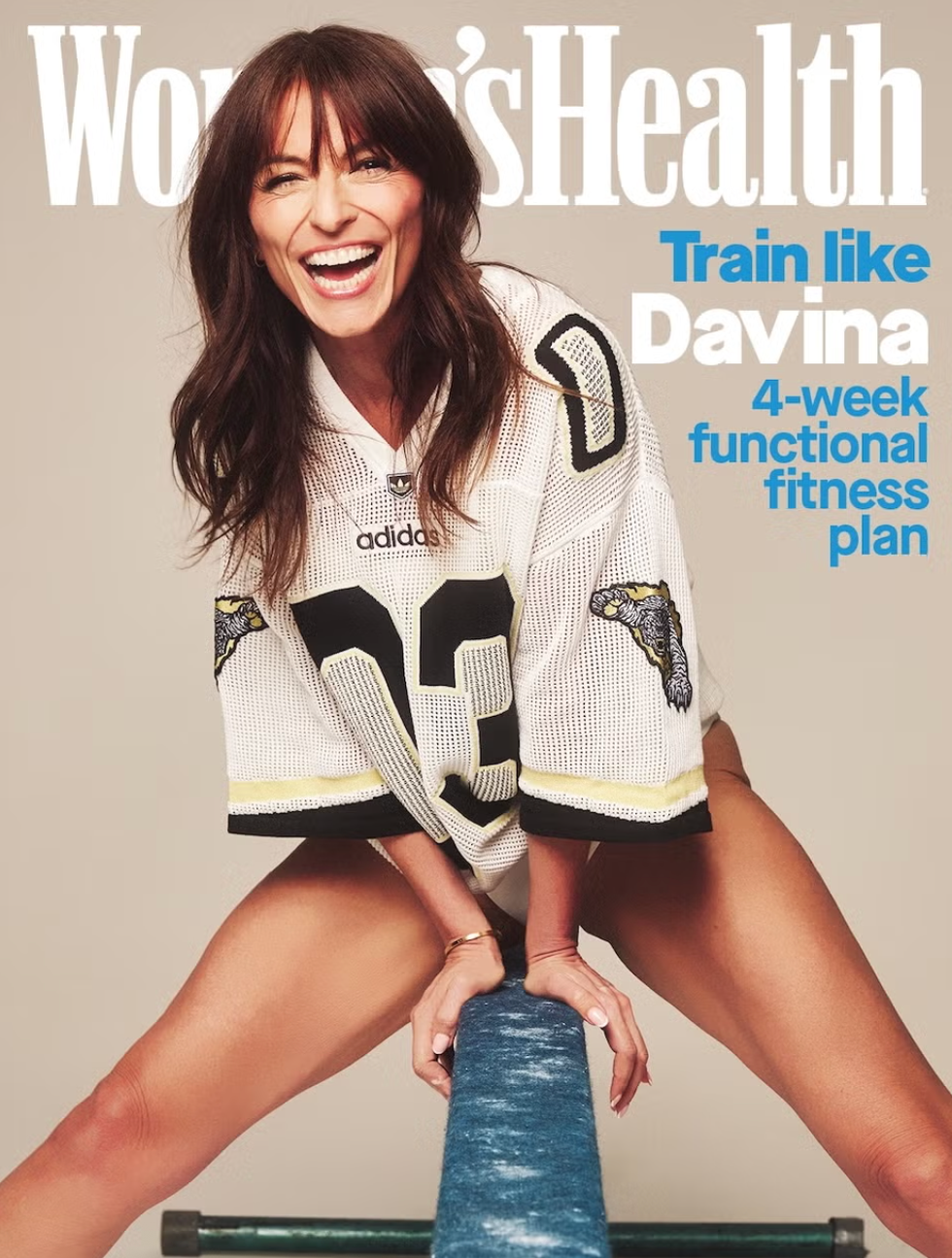
Try Davina McCall’s 4-week functional fitness training plan
Three-time Women’s Health UK cover star Davina McCall didn’t discover her love of exercise until her late 30s, shortly after becoming a mum. Like many, she threw herself into HIIT and intense cardio, believing that it would give her the energy to keep up with her children – and it did, temporarily. Before long, she began releasing her workout DVDs, then launched her Own Your Goals fitness platform in 2019. Everything changed when she hit 43: ‘My training completely changed when I became perimenopausal,’ she told Women’s Fitness. ‘I realised I wanted to do a lot more strength training, and I didn’t want to beast myself anymore.’
As the perimenopause began to cause an increase in anxiety, she found a new motivation to move: her mental health. ‘I don’t train for my body – I train for my brain,’ she told Women’s Fitness. ‘The fact that exercise will give me shoulders or great calf muscles is a wonderful byproduct of what it does for my mental health.’ That sentiment only strengthened during her return to movement following surgery for a benign brain tumour in 2025. Now, her routine focuses on variety with three-four sessions of weights, running, yoga, bodyweight training, Pilates and the occasional spin class. ‘For me, working out isn’t just to get in the bikini. It’s to stay alive longer,’ she told us in 2021.
Her message: longevity over aesthetics, always.
Jennifer Aniston, 57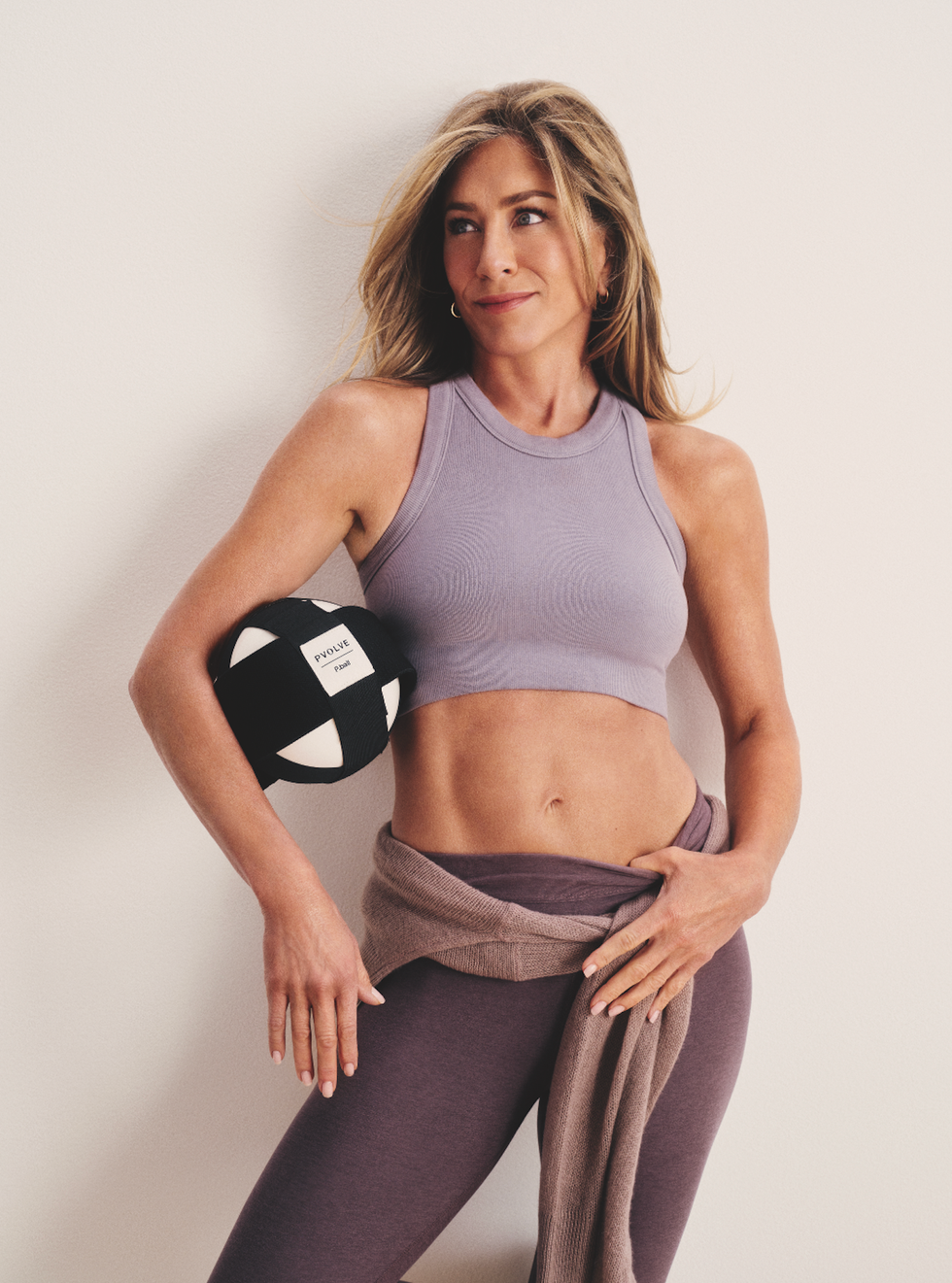
Pvolve
In the 1990s to early 2000s, Jen An was practically the poster girl for Budokon – a blend of yoga, martial arts and meditation, which she credited for ‘changing her life’. She then introduced regular cardio, before starting boxing and strength training not long after 2010.
11 years later in 2021, when she was 52, she’d accumulated so many injuries that she shifted to a completely new method: Pvolve. With each session lasting around 35-50 minutes, Pvolve classes focus on control over speed and impact, including a combo of progressive resistance, functional movement patterns, unilateral strength, core work and mobility. ‘I used to think you had to beat the crap out of your body in order to get results,’ Jen told Women’s Health US, adding that she feels ‘stronger than I was in my 20s, that’s for sure’.
Her message: harder isn’t better.
Amanda Holden, 55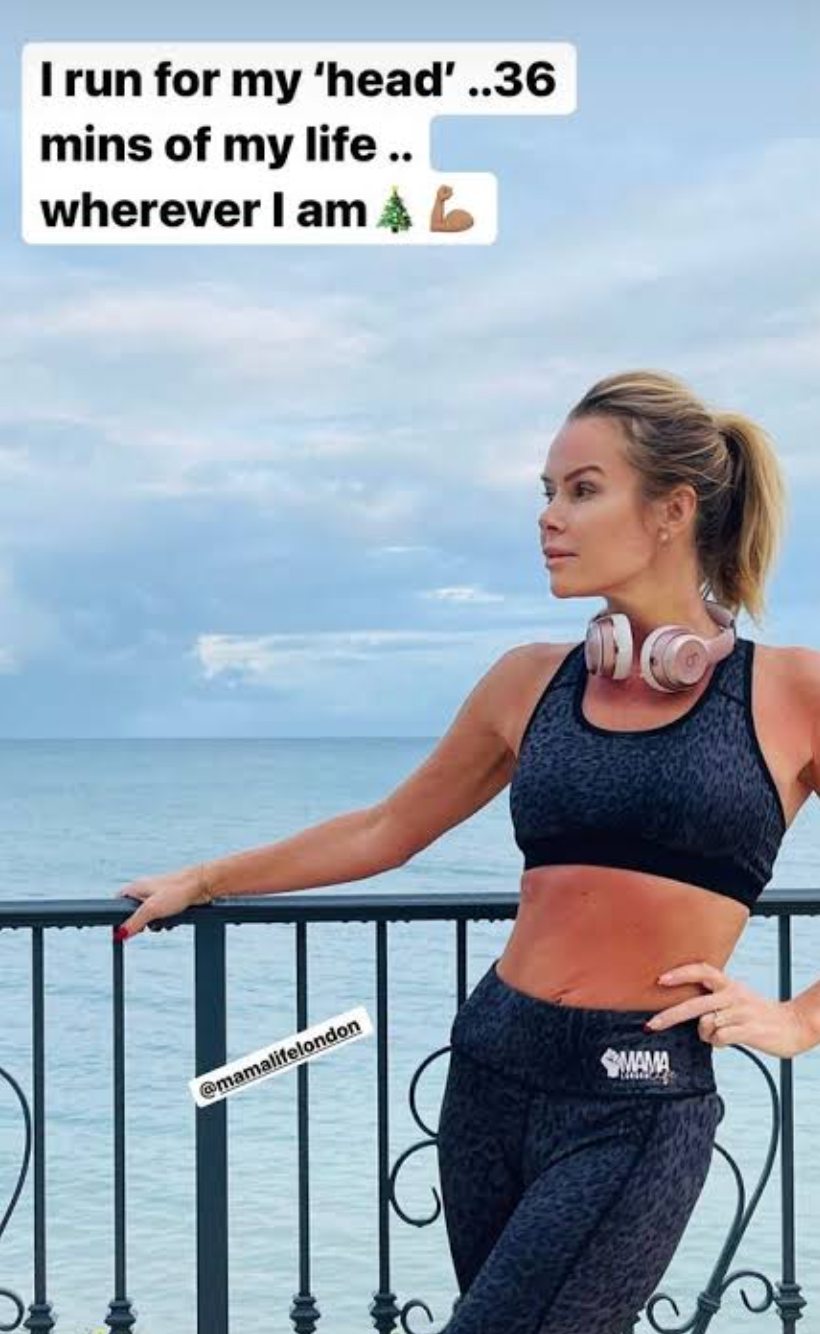
If the idea of following a structured training plan feels overwhelming, Amanda Holden is a reminder you don’t necessarily need one – you just need to move. She hasn’t undergone a dramatic transformation, nor did she suddenly discover fitness in midlife, but she’s proof that remaining active with exercise she enjoys pays dividends. Following life-threatening complications after the birth of her daughter Hollie in 2012, Amanda told the Guardian that doctors told her that her fitness through running had helped her recover: ‘I couldn’t live without running. It’s the hour of the day that I get to myself, and recently I’ve realised how healthy and strong it has made me. The doctors said my fitness levels helped me pull through, so now I definitely won’t be stopping.’
She runs outdoors, walks her dogs, uses her Peloton bike, and occasionally practices the Viking method – a five-move strength training workout including plyometric exercises (jumps), weighted upper- and lower-body exercises and core work, and compound and isolated movements. Her philosophy is clear: it’s not about pushing harder with age – it’s about staying active enough to support your health while still enjoying life.
The message: balance beats perfection.
Victoria Beckham, 52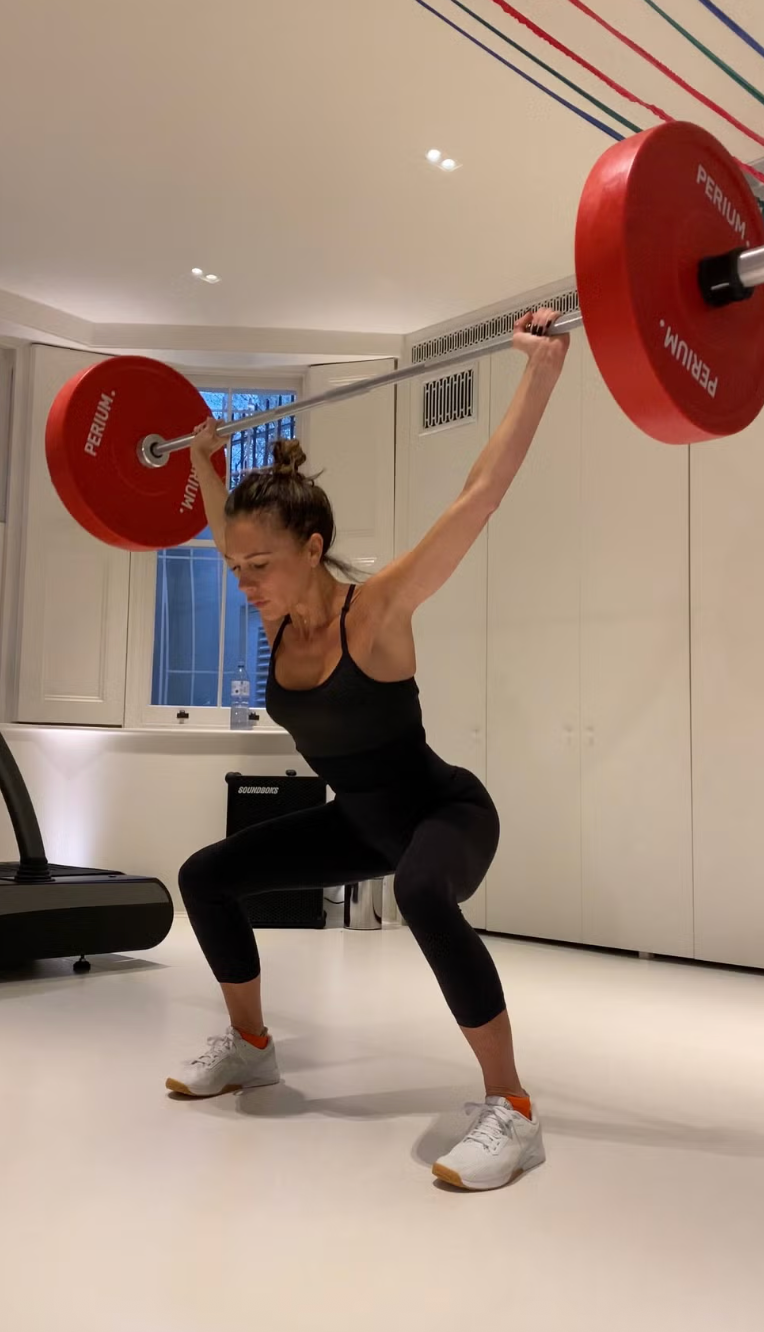
Victoria Beckham was firmly in the ‘more is more’ camp back in the day. She once revealed she did a 45-minute run, followed by a 30-minute leg session, 30 minutes of arms and ‘loads of planks and that kind of thing’, every day. Then, in 2020 when she was 46, she began working with trainer Bobby Rich and gradually replaced her running focus with resistance training. It wasn’t an easy switch; while Bobby says her fitness had plateaued despite going all in and Victoria knew she needed a switch up, she was afraid to ‘lift weights and become the Hulk’.
But that mindset was soon turned on its head. Now, she trains five mornings a week with Bobby, including heavy dumbbell work, barbell lifts and bodyweight moves – and has built significant muscle. In an interview with The Times, she said: ‘You don’t have to give up just because you’re 50.’
Her message: prioritise strength over short-term aesthetics.
Caroline Idiens, 54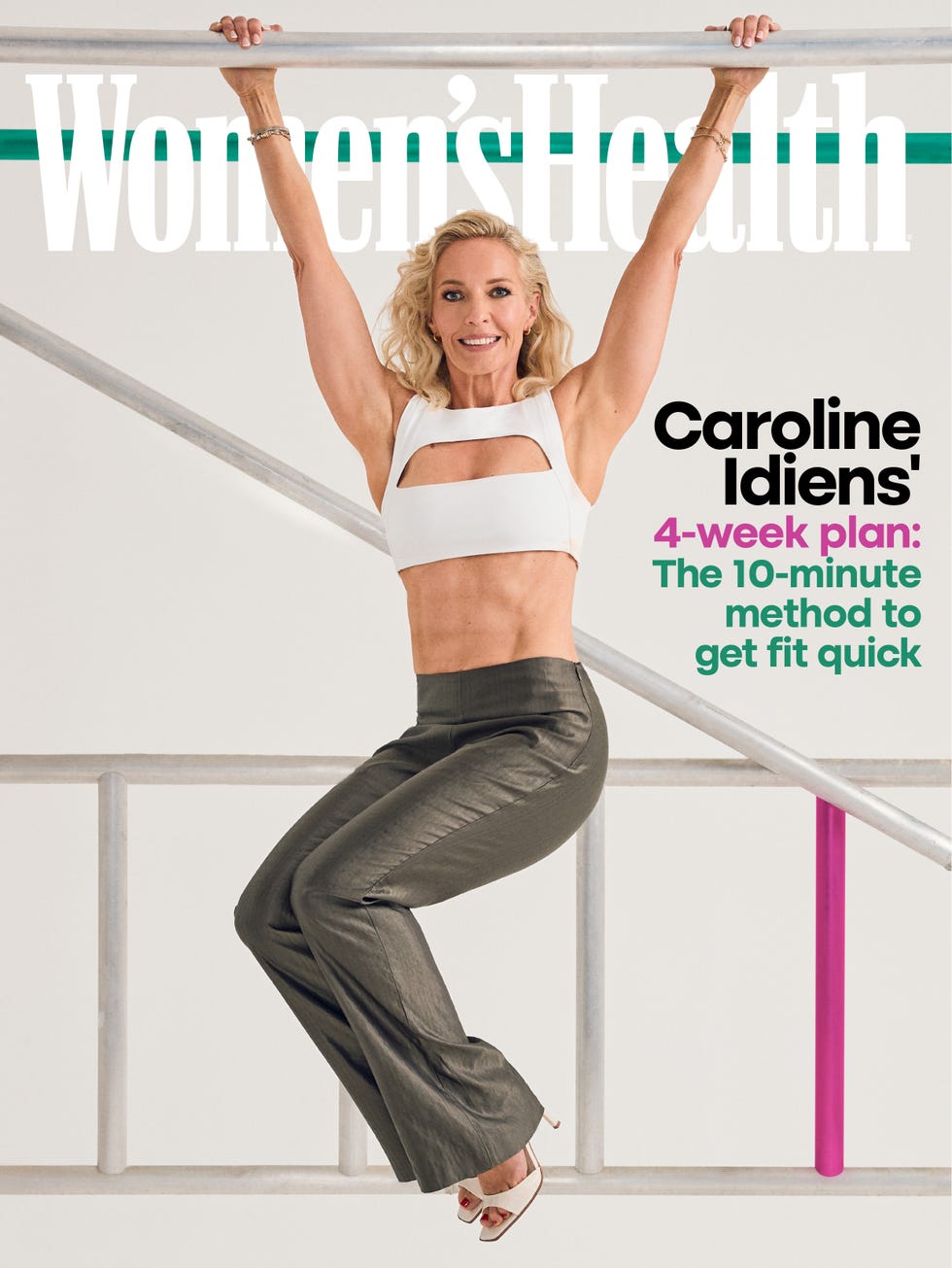
Try Caroline Idiens’ 4-week training plan
Caroline Idiens spent years working in advertising before qualifying as a PT in 2001 and building a local circuit class that went online during the pandemic and became the wildly successful Caroline’s Circuits platform. Now, the four 30-minute workouts she hosts for her app members each week are the only times she trains. Those consist of one full-body session, one arms and abs, one legs and glutes and one strength-HIIT hybrid. Beyond that, the mum-of-two recommends walking as much as possible, and ensuring you stick to those three weekly rest days to allow for muscle recovery and growth. ‘The days that you don’t train are as important as the days when you do,’ she tells us.
She’s adamant her routine is the reason she feels ‘fitter, stronger and so much healthier’ now compared to in her 20s and 30s. And perhaps the reason she’s amassed such a cult following and her approach has resonated with so many is how achievable it is: four 30-minute classes, designed to fit around real life.
Her message: short, consistent workouts beat intense, sporadic sessions.
Jennifer Lopez, 56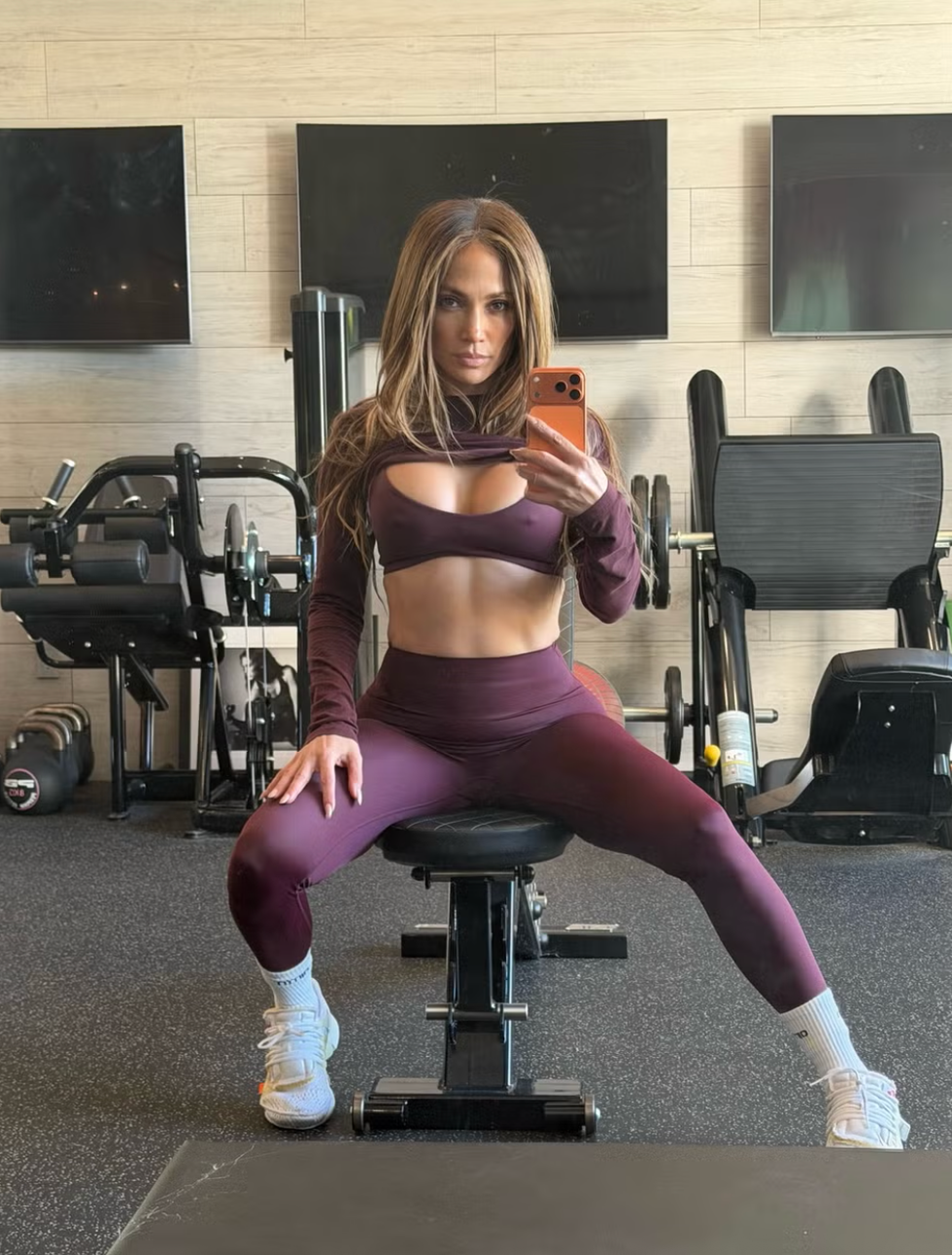
After two decades of intense dance rehearsals and hours of cardio, entering motherhood was the catalyst for J Lo shifting her workout routine. ‘When I was in my 20s, I used to work out all the time,’ she told Vogue. After giving birth to her twins in 2008 when she was 38, she added, ‘I don’t get to work out as much, but I stay very active.’ She trains with coach David Kirsch as and when she can, focusing on progressive strength exercises and mobility – and she doesn’t beat herself up about a missed session. She also attends the odd Tracy Anderson class – a method combining dance-cardio with strength work.
She often speaks about the challenge with staying fit as she gets older, fitting in workouts between busy filming schedules, tours and family commitments. ‘Very rarely will I skip my workout,’ she told Us Weekly. ‘[But] sometimes, I work too late the night before and I’m like, “Ugh, I can’t do this.” But I tell myself, “Just do it. It’s only an hour.” It’s just talking yourself off the ledge of being a lazy bum.’
The difference is, when she does train, it’s not about looking a certain way for her next music video or tour, it’s about staying healthy for longer.
Her message: don’t train to fight ageing – train to stay capable.
Hannah Waddingham, 51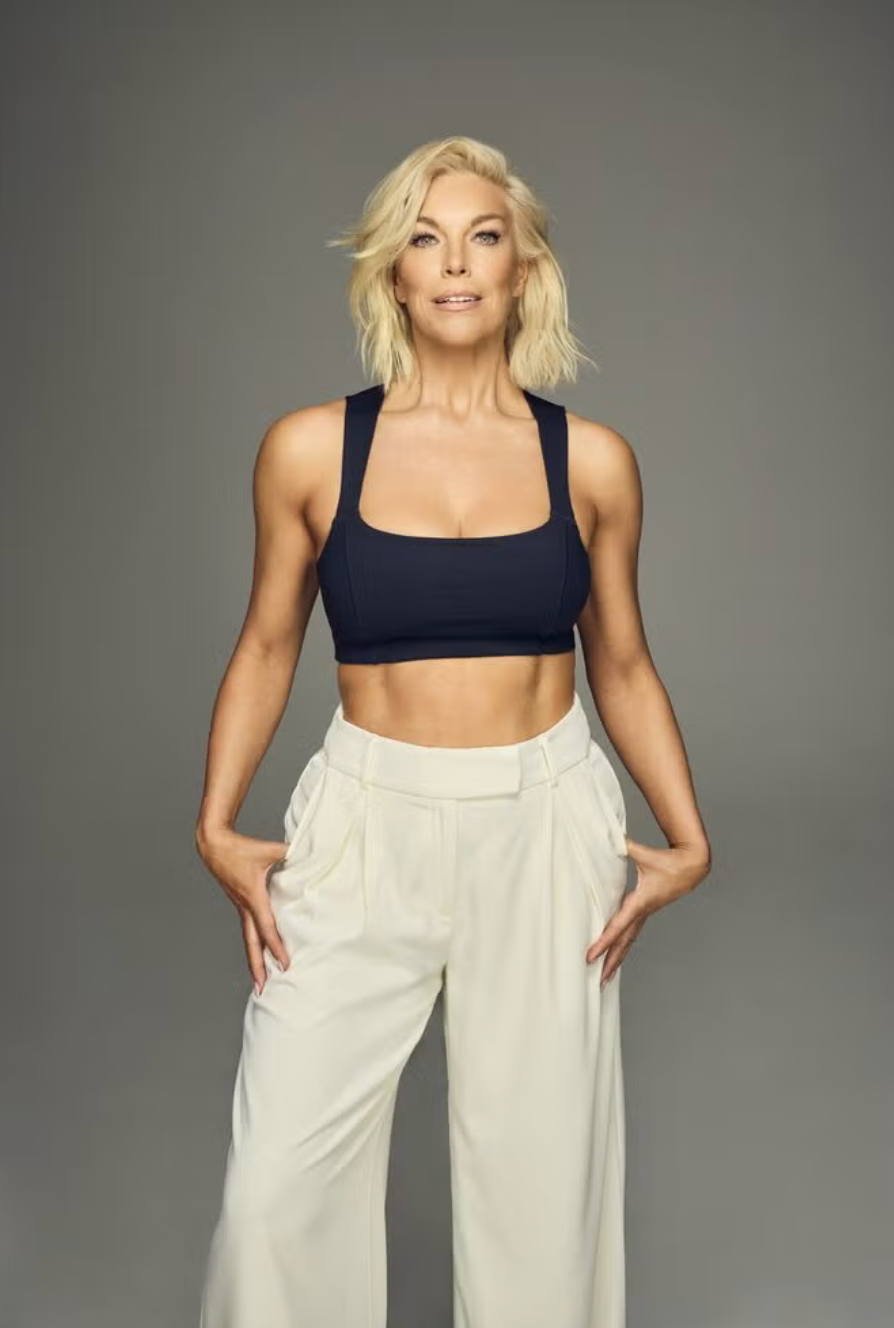
At 51, Hannah Waddingham is not a ‘gym bunny’. She’s proof you don’t need to be. In her Women’s Health UK cover interview earlier this year, she told us: ‘I’d be lying if I said I did a lot. Just calisthenics with my own bodyweight and some light weights for 20 minutes in the morning. But I’ve always said to my friends: activate your muscles – every day. People are very lovely; they talk about my arms. I just keep them activated. And never underestimate the value of doing squats the whole time you’re brushing your teeth.’
Beyond calisthenics – using your own bodyweight as resistance, with exercises like push-ups and pull-ups – for her, it’s about brief, regular muscular engagement and limiting sedentary time, which is proven to maintain mobility, preserve muscle function, improve circulation and metabolism and support healthy ageing. It’s an approach Hannah has embraced ever since she began experiencing perimenopausal changes, when her best advice is to: ‘Seize who you are and love every second of your changes.’
Her message: midlife strength can come from simple, repeatable habits.

As Women’s Health UK’s fitness director and a qualified Pilates and yoga instructor, Bridie Wilkins has been passionately reporting on exercise, health and nutrition since the start of her decade-long career in journalism.
After earning a first-class degree in journalism and NCTJ accreditation, she secured her first role at Look Magazine, where she launched the magazine’s health and fitness column, Look Fit, before going on to become Health and Fitness writer at HELLO!
Since, she has written for Stylist, Glamour, Cosmopolitan, Marie Claire, Elle, The Metro, Runner’s World and Red. Today, she oversees all fitness content across Women’s Health online and in print, spearheading leading cross-platform franchises, such as ‘Fit At Any Age’, which showcases the women proving that age is no barrier to exercise.
She has also represented the brand on BBC Radio London, plus various podcasts and Substacks – all with the aim to encourage more women to exercise and show them how. Outside of work, find her trying the latest Pilates studio, testing her VO2 max for fun (TY, Oura), or posting workouts on Instagram.