

After a period of indulgence, it can be tempting to turn to punishing workouts and a strict diet. We’ve all been there – but anyone who’s tried it will know it doesn’t work if you’re after results. Kate Lawler can relate, so she’s found a much simpler and more sustainable solution: brisk walking.
As she recalled a few weeks of eating ‘so much junk food’ over Christmas, that made her ‘feel like sh*t both mentally and physically’, she explained that brisk walking every day for a week had been enough to make her feel better.
‘If you’re not feeling good about yourself because of what you ate yesterday or you decided you couldn’t be bothered to exercise this morning, try changing things for just a week,’ she wrote on Instagram. ‘Just one week, get up, get your trainers on, go for a brisk walk, it doesn’t cost a penny and it’s good for you. I believe that eating well along with an exercise class a week and plenty of walking is enough.’
While she recommends walking daily for a week to get you back into a routine and feeling fitter, she doesn’t feel that exercising every day is always necessary. ‘I don’t believe you have to work out every day to be healthy, but I know that when I walk my dogs or do a class, I ALWAYS feel better afterwards,’ she said.

Dave Benett//Getty Images
What she means when she refers to ‘brisk walking’ is walking at a pace that raises your heart rate and breathing but doesn’t leave you too out of breath to talk.
Personal trainer Michael Baah says increasing your pace beats walking further. ‘If I could change just one thing about how people walk for fitness, it wouldn’t be asking them to walk further,’ he tells Women’s Health. ‘It would be asking them to walk faster, briefly – 30 seconds of purposeful walking can completely change the training effect of a walk without adding any extra time.
‘Think of your walk like charging your phone – walking at the same pace from start to finish is like using a standard charger. Adding short bursts of faster walking is like switching to fast charge – you’re getting more benefit from the exact same amount of time.’
Try maintaining a faster pace for your whole walk, like Lawler, or give 30-second intervals a go. ‘30-second surges force your heart, lungs and muscles to work harder together,’ Baah explains. ‘As your heart rate rises, your body becomes better at delivering oxygen where it’s needed. Over time, your recovery improves, everyday tasks feel easier and your overall fitness increases.’ BRB, off to try it.
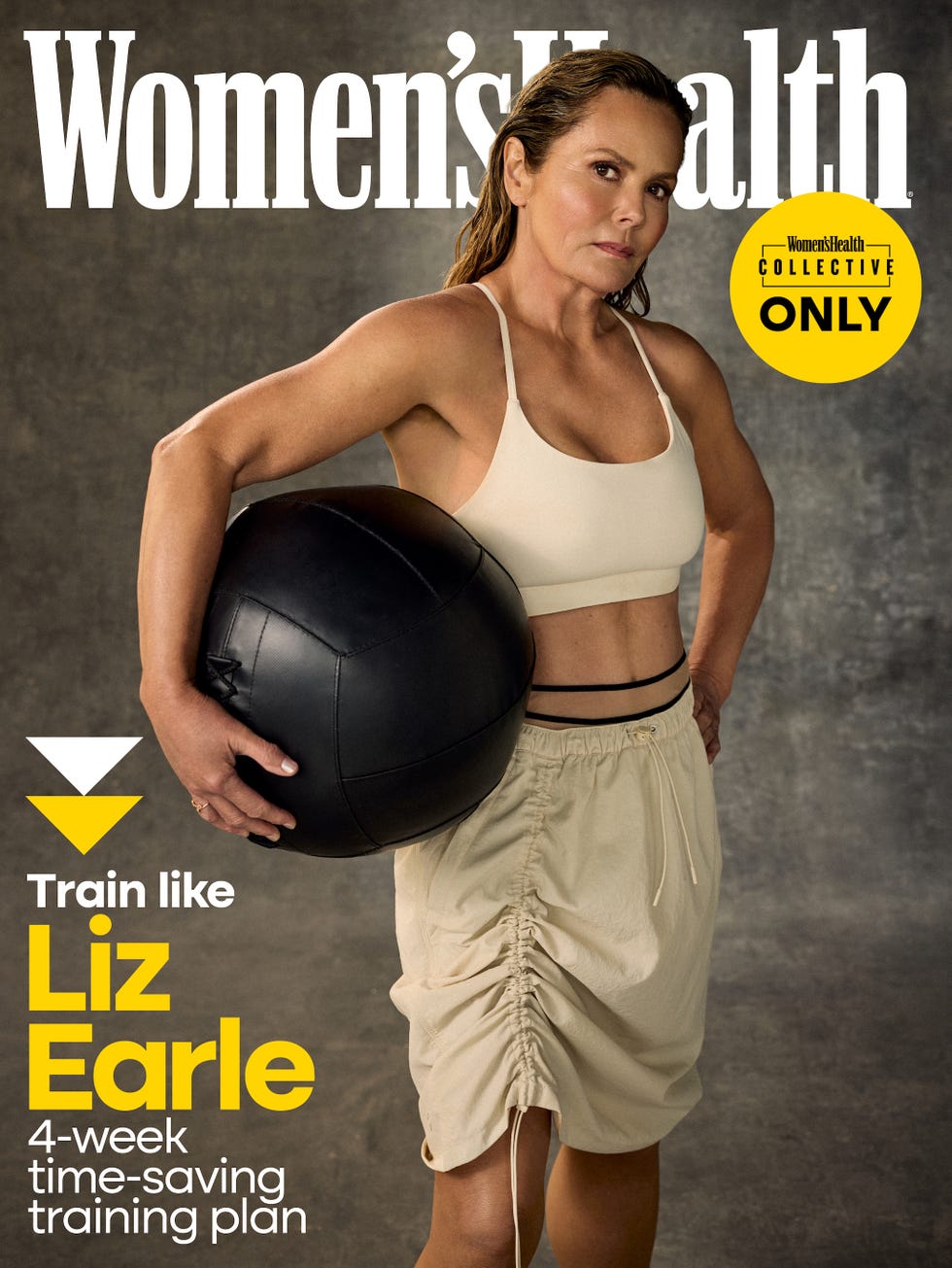
Want to train like Liz? Liz’s PT, Michael Garry, has created a 4-week training plan exclusively for members of the WH COLLECTIVE. It’s designed to remove one of the biggest barriers to fitness: time. You’ll train for just 35 minutes three times a week – Liz’s exact strategy to build muscle, boost metabolism and support long-term health. Tap the link below to unlock 14 free days of training and start Liz’s plan today.

As Women’s Health UK’s fitness director and a qualified Pilates and yoga instructor, Bridie Wilkins has been passionately reporting on exercise, health and nutrition since the start of her decade-long career in journalism.
After earning a first-class degree in journalism and NCTJ accreditation, she secured her first role at Look Magazine, where she launched the magazine’s health and fitness column, Look Fit, before going on to become Health and Fitness writer at HELLO!
Since, she has written for Stylist, Glamour, Cosmopolitan, Marie Claire, Elle, The Metro, Runner’s World and Red. Today, she oversees all fitness content across Women’s Health online and in print, spearheading leading cross-platform franchises, such as ‘Fit At Any Age’, which showcases the women proving that age is no barrier to exercise.
She has also represented the brand on BBC Radio London, plus various podcasts and Substacks – all with the aim to encourage more women to exercise and show them how. Outside of work, find her trying the latest Pilates studio, testing her VO2 max for fun (TY, Oura), or posting workouts on Instagram.