
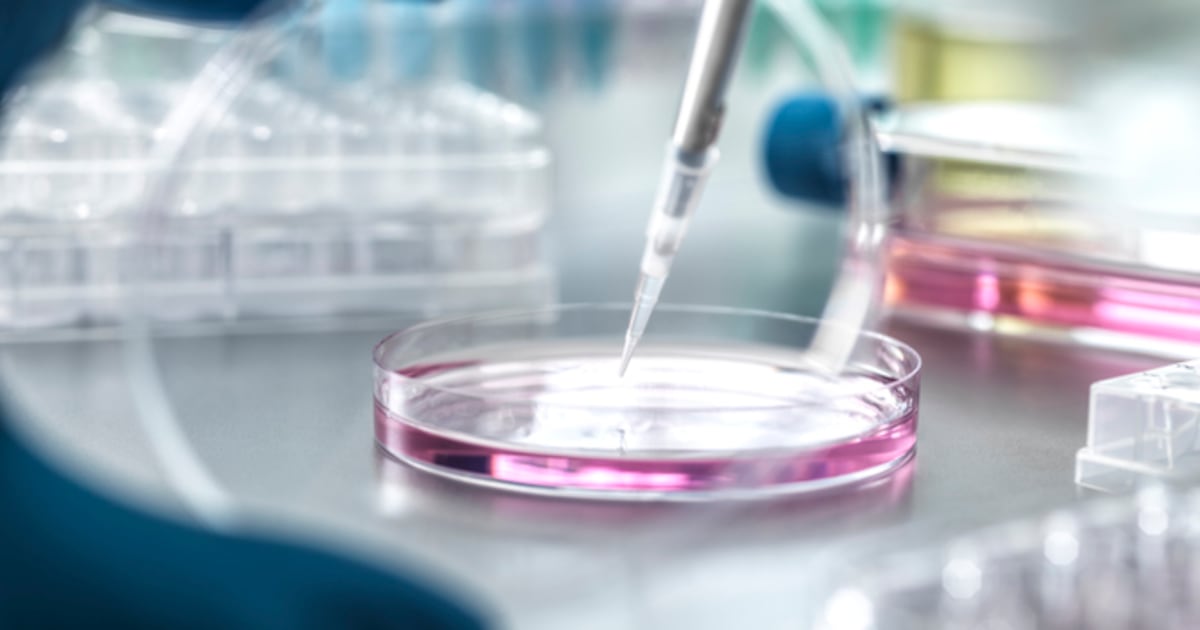
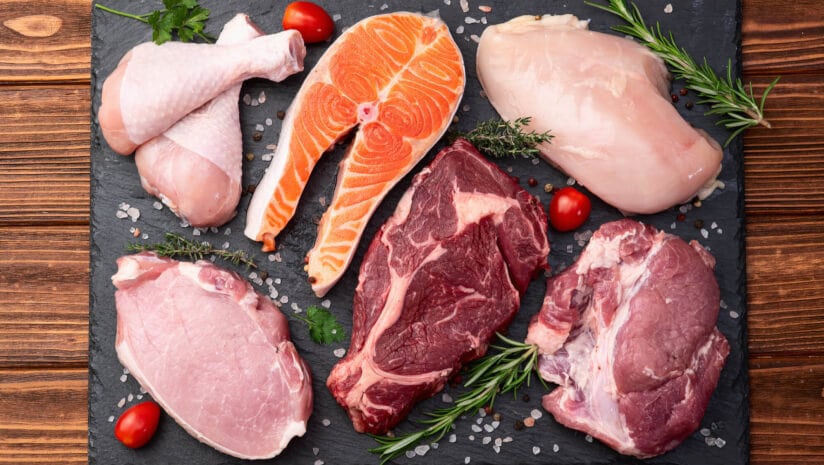
 From a dietary perspective, creatine is found exclusively in meat, fish and dairy
products, putting individuals who consume diets low in animal proteins at an elevated risk of creatine inadequacy, (Whitestorm / Getty Images)
A new evidence‑based framework proposes dietary reference intakes for creatine in healthy adults, positioning the compound as a conditionally essential nutrient and raising fresh questions about adequacy in populations with low animal‑protein intake.
Writing in Nutrition Reviews, leading creatine researcher Sergej Ostojic, MD, PhD, integrates physiological turnover data, endogenous synthesis estimates and population‑level dietary exposure to calculate adequate intake (AI) values for adults between the ages of 19 and 65 years old and to address what he identified as a major gap in nutrition science.
The paper also highlights significant gaps in food‑composition data, noting that creatine is currently absent from major nutrient databases such as USDA FoodData Central, complicating dietary assessment and public‑health monitoring.
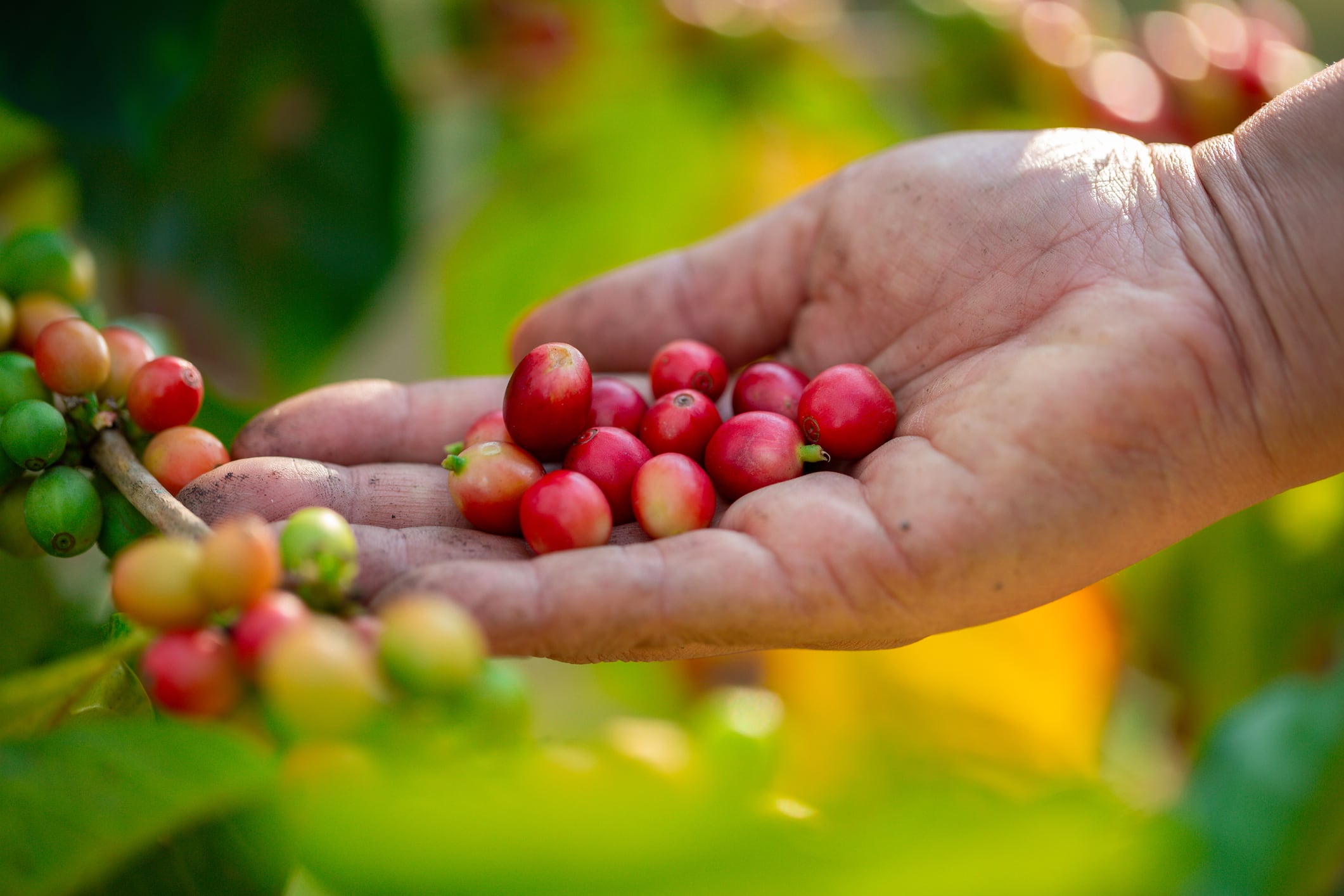 Coffee berry, also called coffee cherry, is the outer layer of the coffee fruit (Coffea arabica). It is the main by-product of coffee production and contains an abundance of phytochemicals (Thai Noipho/Getty Images)
Coffee pulp extract (CPE) from the arabica species may improve cholesterol levels, reduce body weight and enhance insulin sensitivity, according to research published in Frontiers in Nutrition.
Researchers in Thailand investigated whether CPE can improve lipid profiles and inflammatory markers in obese individuals with high cholesterol over 24 weeks.
They also examined its effects on body weight, fat mass, blood sugar and insulin resistance.
 © samael334 / Getty Images (samael334/Getty Images/iStockphoto)
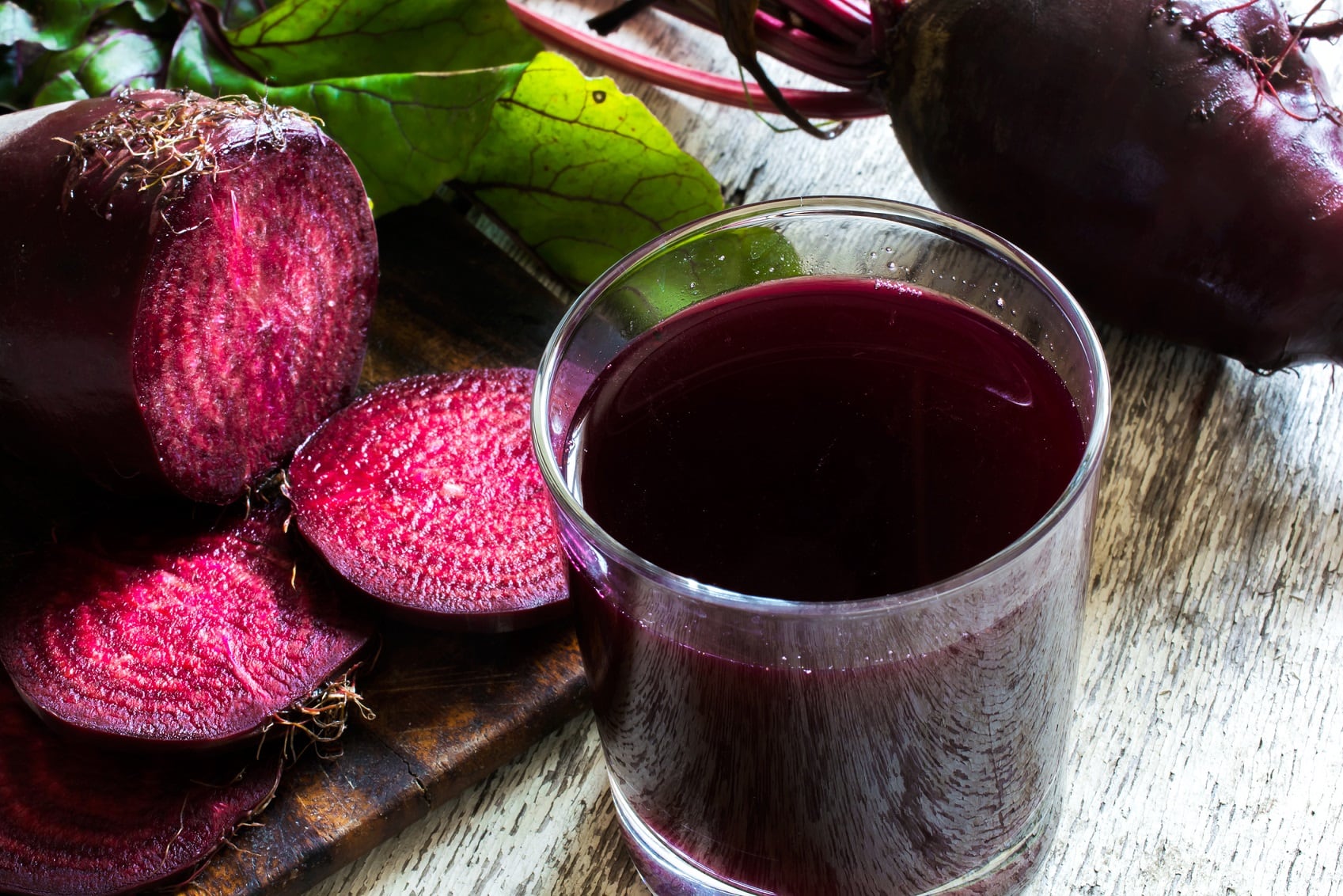
Soccer players who consumed beetroot juice improved their choice response time and change-of-direction speed following high-intensity sprints, according to a study in Nutrients.
The researchers noted that the positive effects of beetroot juice supplementation “may be most apparent during reduced oxygenation that occurs immediately after high-intensity sprinting,” counteracting declines in agility and performance that can sometimes follow high-intensity sprints.
“From a practical perspective, beetroot juice has the potential to be an effective performance-enhancing tool for recreational soccer players and athletes, particularly in sports where agility is critical (e.g., basketball),” the researchers wrote in Nutrients.
 This was the first study examining the efficacy of ARE as a stand-alone intervention on sleep and cognition in children. (shironosov/Getty Images)
Supplementation with KSM-66 ashwagandha root extract in gummy form for eight weeks is well tolerated and may enhance cognitive performance and sleep quality in children between the ages of 6 and 12, according to new research.
“The findings suggest that [ashwagandha root extract] was well-tolerated and could serve as a safe, non-pharmaceutical herbal intervention to support cognitive performance and overall well-being in this population,” the researchers wrote in Frontiers in Nutrition.
The study is also said to be the first to examine the efficacy of ARE as a stand-alone intervention on sleep and cognition in children.
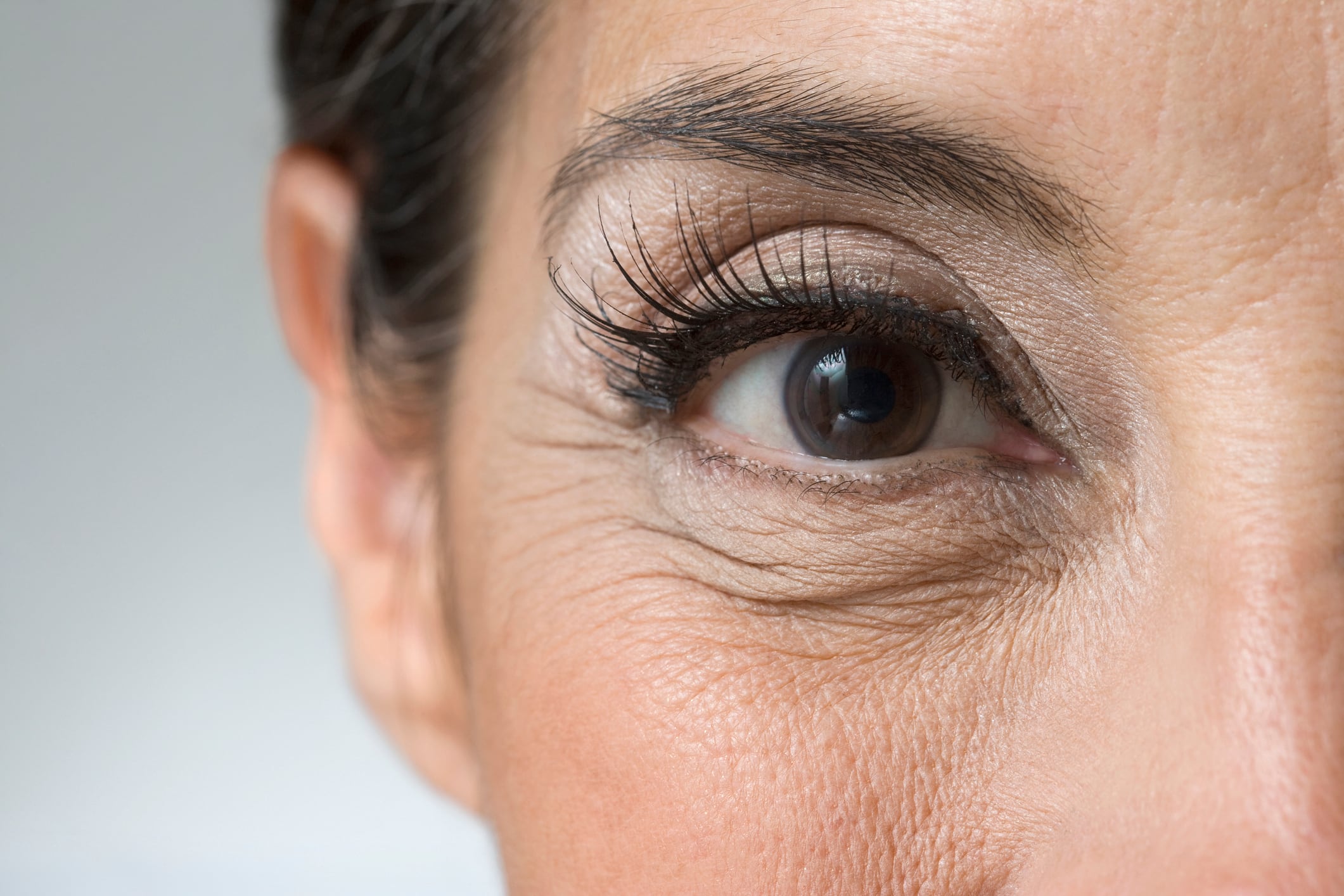 “These results set an important benchmark for innovation in ingestible beauty, demonstrating the value of clinically validated formulations,” said study author Adeline Grier-Welch, MS, MPH, RDN. (Jose Luis Pelaez Inc/Getty Images)
A combination of extracts from Korean mint, goji berry and fig may reduce wrinkles and improve skin hydration and elasticity, says a new study from scientists at Cosmax.
Data published in the Journal of Medicinal Food indicated that 12 weeks of supplementation with a 500 mg dose of the combination outperformed 1,000 mg per day of the Korean mint (Agastache rugosa) extract.
For example, study participants who took the combination have seen improvements in wrinkles, hydration, elasticity and dermal density.