


Expert reveals the benefits of adding more Vitamin A to your diet
Vitamin A is an important nutrient for maintaining healthy vision, skin and immune function.
If you’ve ever been told to eat your carrots for better eyesight, you’ve already met vitamin A’s most famous claim to fame. But this nutrient is far more than vision insurance. “Yes, vitamin A is essential for eyesight, but it’s also vital for immune function, reproductive health and for guiding cell growth and development throughout the body,” says Yasi Ansari, a registered dietitian nutritionist and Los Angeles–based certified sports dietetics specialist.
Despite its importance, most people don’t actually know what vitamin A is because it often takes a back seat to more popular vitamins like C and D. But a clearer understanding of its role can help you make everyday food choices that naturally increase your intake – choices that can support how you feel, how you see and how well your body functions over time.
Here’s what vitamin A is, why it’s good for you and which foods offer it most abundantly.
What is vitamin A?
“Vitamin A is a fat-soluble vitamin,” meaning your body absorbs the vitamin alongside dietary fats and stores any excess in the liver, explains Dr. Uma Naidoo, director of nutritional and lifestyle psychiatry at Massachusetts General Hospital and the Harvard-trained nutritional psychiatrist behind “Calm Your Mind with Food.”
Vitamin A comes in two main forms: preformed and provitamin A carotenoids.
Preformed vitamin A, or retinol, is the active version of the nutrient that your body can use immediately. “You’ll find it mostly in animal food sources,” says Ansari.
Provitamin A carotenoids, on the other hand, are plant pigments – beta-carotene being the best known – that your body converts into usable vitamin A as needed. Both forms play essential but distinct roles in growth, tissue maintenance and cellular function.
What foods have vitamin A?
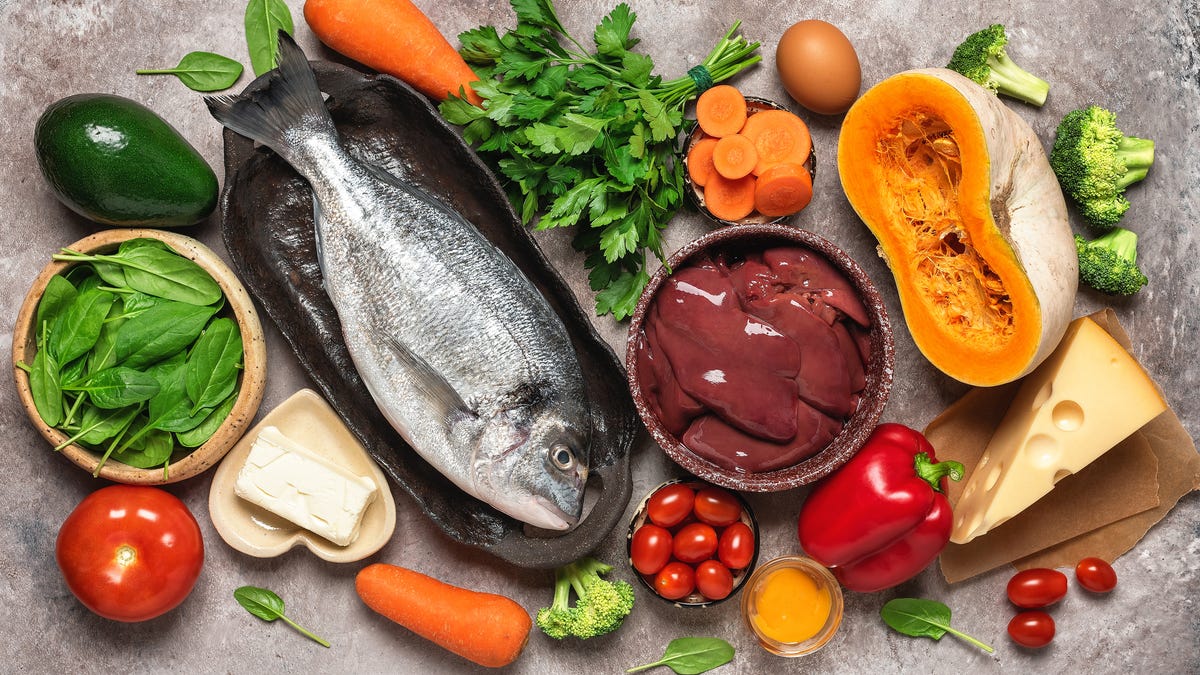
Vitamin A is widely available in many foods, though its forms differ depending on the source. Animal-based sources provide preformed vitamin A, with liver being the most concentrated source. It’s so concentrated, in fact, that nutrition guidelines recommend keeping portion sizes small to avoid potential toxicity. “Eggs, whole milk, cheese, butter and fatty fish like salmon also supply meaningful amounts,” says Ansari. And because animal-based preformed vitamin A is already active, your body absorbs and uses it efficiently, meaning even modest servings can meet daily needs.
Plant-based foods deliver vitamin A through carotenoids, especially beta-carotene. Orange-hued produce such as carrots, pumpkin and cantaloupe are often thought of as the best sources, “but dark leafy greens like kale and spinach are also important to look for,” says Naidoo.
Butternut squash, collard greens, apricots, tomatoes, herbs like parsley and cilantro and red peppers all contribute substantial amounts as well. “And it surprises many people to learn how high mangoes are in vitamin A,” between 12% and 24% of your daily recommended intake needs in a single one, depending on the size, adds Ansari. Sweet potatoes are especially rich with one medium baked sweet potato providing four times the needed daily allowance of vitamin A from beta-carotene alone.
But it’s worth noting that carotenoids are better absorbed when eaten with dietary fat, so drizzling oil on roasted vegetables or pairing leafy greens with avocado or nuts can help your body take in more.
Beyond natural food sources, many cereals, plant-based milks and dairy alternatives are also fortified with vitamin A to help people meet recommended intake levels. With so many options, “it’s possible to meet vitamin A needs through a well-balanced diet,” says Ansari.
In fact, vitamin A deficiency is considered uncommon in the United States, says Naidoo, “but may occur in people with fat-malabsorption disorders, chronic liver disease, alcoholism or very restrictive diets.”
What does vitamin A do?
No matter which foods you get it from, vitamin A provides many health benefits. First and foremost, “it plays a critical role in maintaining healthy vision,” explains Ansari. That’s because retinol is essential for producing rhodopsin, the pigment that allows your eyes to adjust to darkness and low-light conditions. This production is so important that severe deficiency remains a leading cause of preventable childhood blindness worldwide. Even mild deficiency can impair night vision or cause dry eyes.
Beyond vision help, vitamin A strengthens immune health by supporting the normal functioning of immune cells, “and it helps maintain the integrity of mucosal barriers in the gut and respiratory tract, your body’s first line of defense against pathogens,” says Naidoo. “It also plays a key role in skin and cell health,” adds Ansari.
Reproductive health and fetal development also rely on adequate vitamin A because, during pregnancy, it supports organ formation, lung development and early immune system maturation – which is why prenatal vitamins contain carefully regulated amounts.
And vitamin A’s antioxidant effects, particularly from carotenoids, “help protect cells from damage caused by oxidative stress,” says Ansari. This protective effect may help lower the risk of chronic inflammation and age-related diseases such as cardiovascular disease and certain cancers. “Its antioxidant properties also help protect brain cells and support mood regulation and cognitive health,” says Naidoo.
Despite its many benefits, because vitamin A is stored long-term in the body as a fat-soluble nutrient, most people don’t need large daily amounts. Getting too much – especially from supplements or frequent liver consumption – can lead to toxicity and “can impact bone, liver and vision health in the general public,” says Ansari.
That’s why doctors are cautious about recommending vitamin A supplements unless they are clearly needed.