
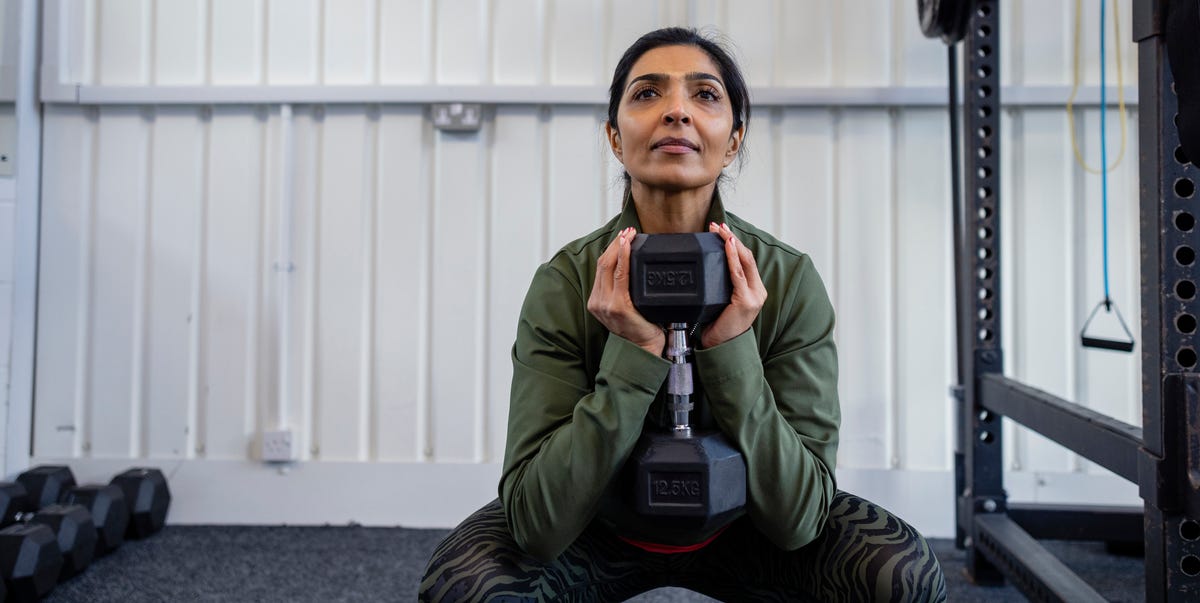
Time is one of the biggest barriers to fitness; if you’ve already got a lot on your plate, your priority probably isn’t an hour-long gym session. The good news? Your workouts don’t need to be long to be effective. A growing body of research suggests that ‘exercise snacks’ – short bouts of exercise (as short as five minutes) can meaningfully improve fitness, especially in those who aren’t currently active. It marks a shift away from the mindset that only long, ‘hard’ workouts count.
But the benefits of short workouts go beyond physical, too, with one recent study finding that just 15 minutes of moderate to vigorous aerobic exercise was enough to instantly boost cognitive function.
Here, menopause fitness specialist, Kate Rowe-Ham, whose focus is on strength and longevity, explains why 15-minute workouts can be sufficient in midlife – and the essential moves to target.
How exercise needs change in midlife
‘As women move through their 40s and beyond, exercise needs can shift. Hormonal changes during perimenopause and menopause affect everything from muscle mass and recovery to energy levels,’ says Rowe-Ham. ‘Declining oestrogen can influence muscle repair and the body’s stress response, meaning long, intense sessions can sometimes leave women feeling drained rather than energised.’
Shorter workout – around 15 minutes – as well as being more sustainable ‘for many women balancing work, family and changing energy levels’, she says, ‘can deliver a strong training stimulus without excessively raising cortisol levels or compromising recovery.’
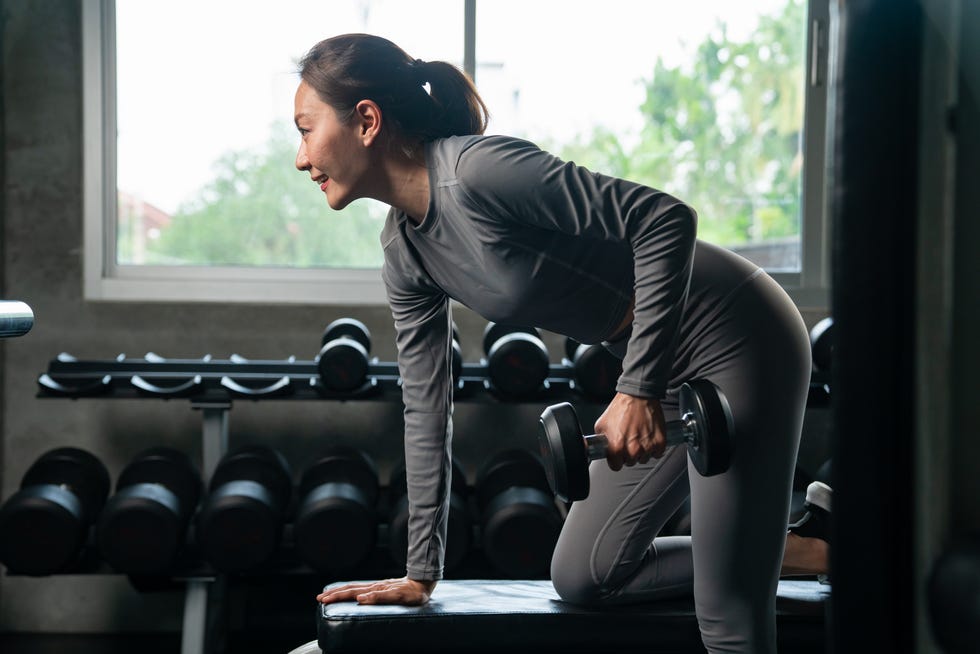 CandyRetriever//Getty Images
Don’t underestimate the power of a 15-minute workout
Strength training during this period remains crucial, adds Rowe-Ham. ‘From our 30s onwards, we begin to lose muscle mass, a process that accelerates during menopause, and brief but focused strength sessions can stimulate muscle growth, improve metabolic health and support bone density.
What exercises should you prioritise?
The idea is that you’re working smarter rather than harder here. ‘When time is limited, choosing the right movements is key. I would aim for a routine that features compound exercises – moves that train multiple muscle groups at once,’ says Rowe-Ham, who highlights five of the most effective movement patterns to include.
‘These strengthen the glutes and legs while supporting bone density.’
2. Hip hinge movements
‘Exercises like deadlifts or glute bridges strengthen the posterior chain and protect the lower-back.’
3. Upper-body pushes
‘Push-ups or overhead presses help maintain upper-body strength and bone health.’
4. Upper-body pulls
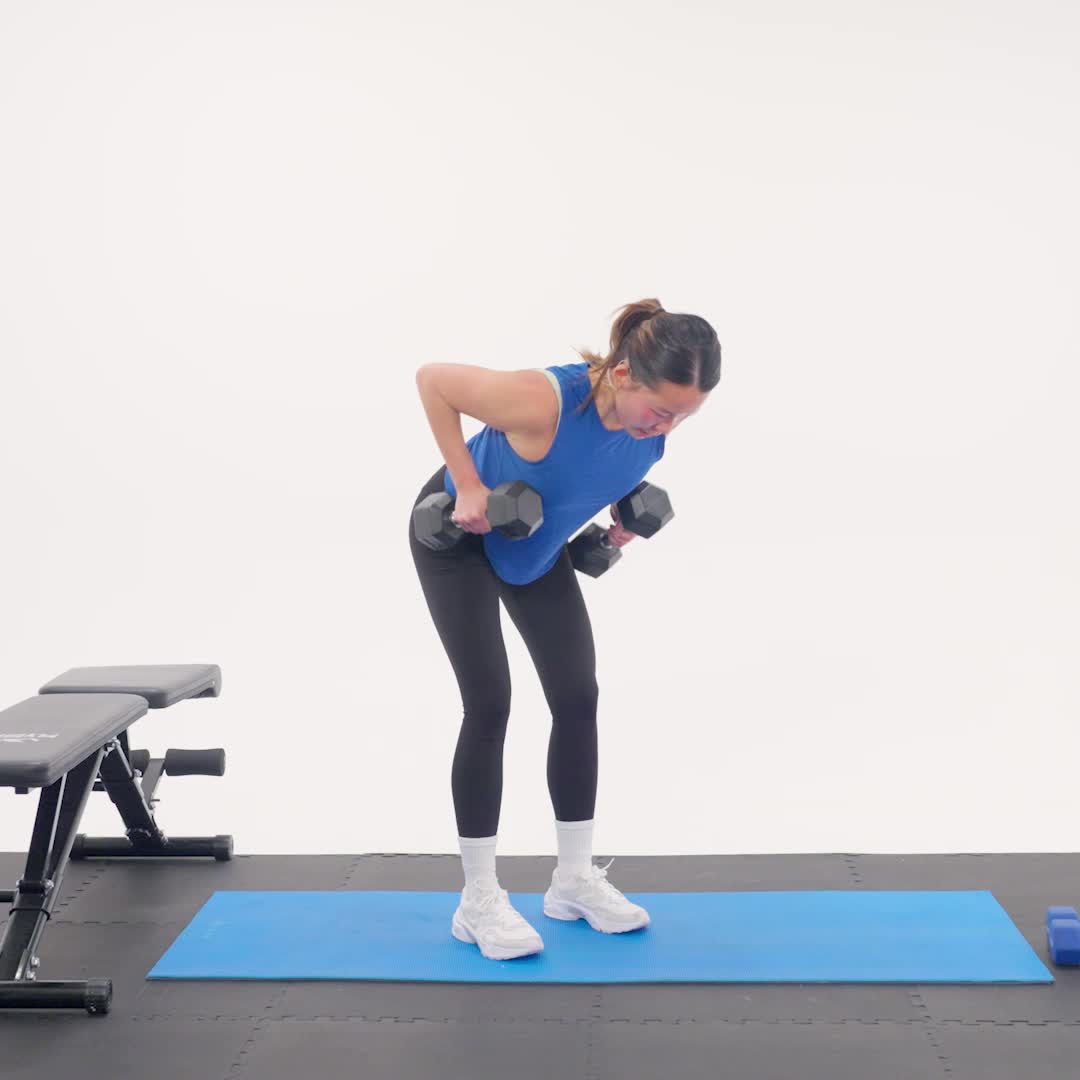
‘Rows are essential for posture, particularly for women who spend long periods sitting.’
5. Core stability work
‘Exercises such as planks, dead bugs or bird dogs help support the spine and improve overall strength.’
How many 15-minute workouts should you do a week?
‘A realistic and effective goal is four to five short sessions per week,’ adds Rowe-Ham. ‘This allows you to train consistently while still prioritising recovery – something that becomes increasingly important in midlife.’
She says that a typical week might include: two lower-body-focused workouts, two upper-body or full-body strength sessions, and one short power or conditioning workout. ‘Walking, running, mobility work or other enjoyable activities can complement these sessions.’
Example workout
So, where to start? ‘With two to three minutes of mobility to warm up the joints and muscles, before moving into a short circuit of three strength exercises repeated for several rounds,’ advises Rowe-Ham.
Repeat for 3-4 rounds and rest briefly between rounds if needed.
Goblet squat x 10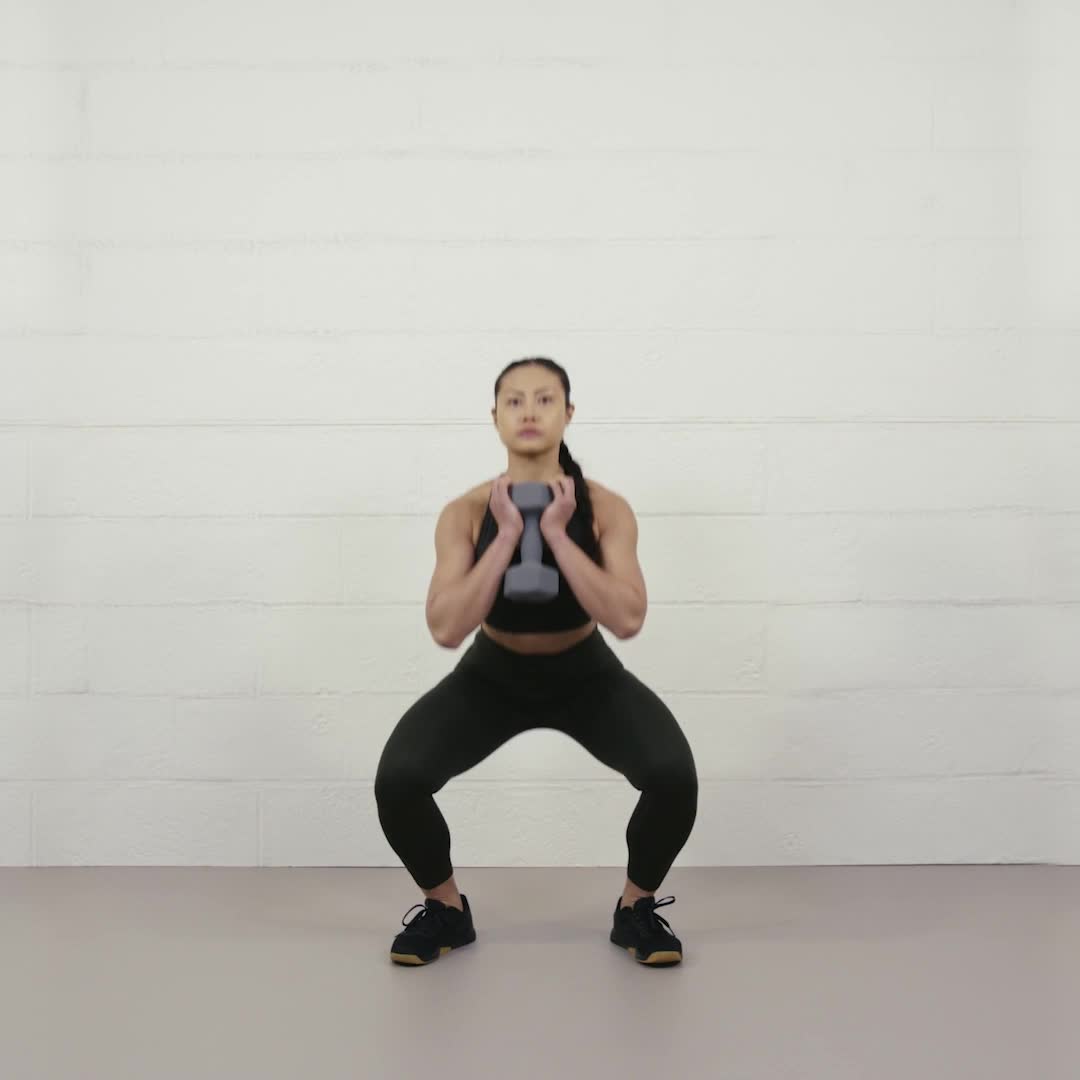 Dumbbell row x 10
 Push-up x 8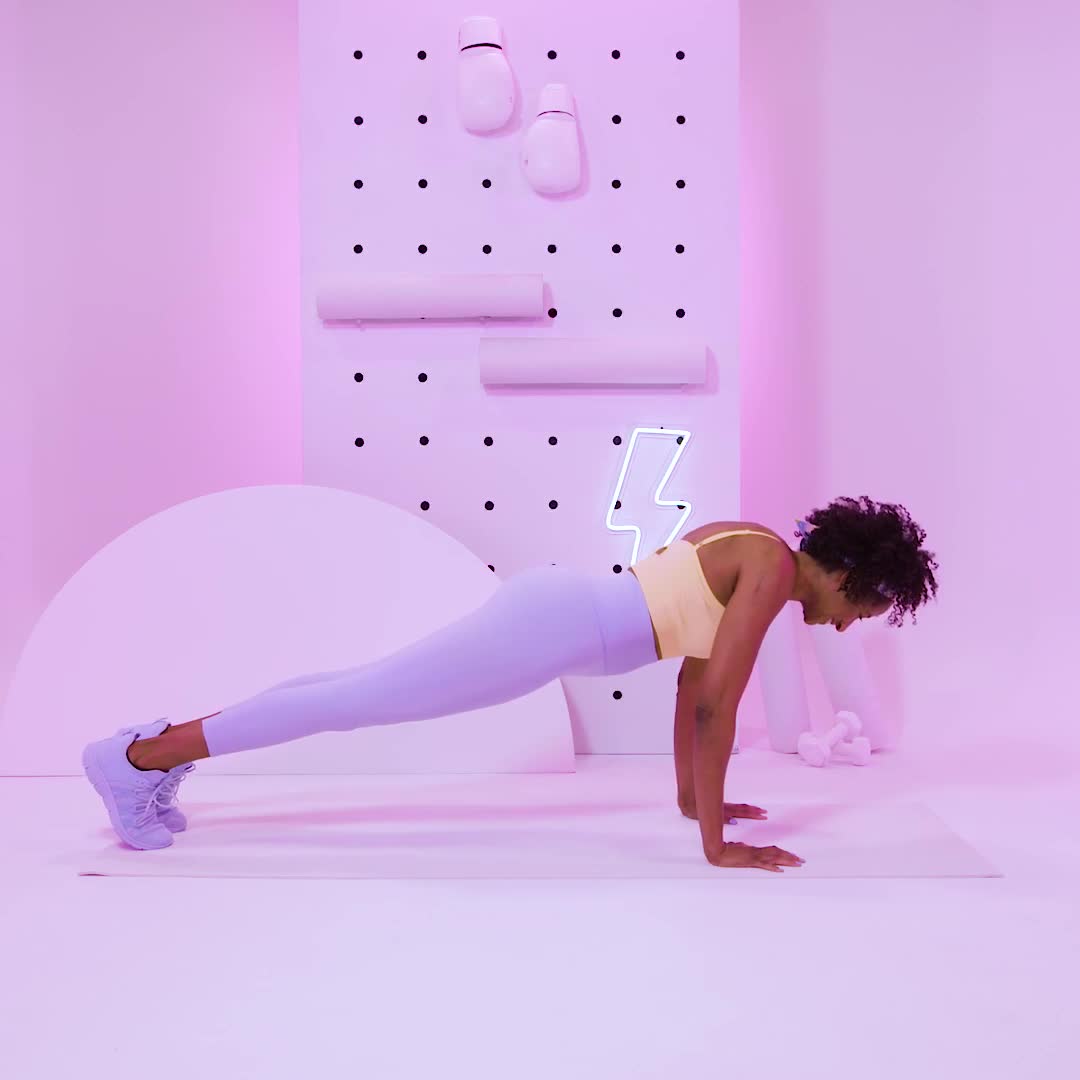
It might look simple, but ‘in just 15 minutes, you can train multiple muscle groups, stimulate strength gains and support long-term health.’
After years living with endometriosis and undergoing seven rounds of IVF, Radio 4 presenter Emma Barnett turned to training with PT Frankie Holah to rebuild strength and a more positive relationship with her body. Download the Women’s Health UK app to access Frankie’s full training plan.
 Related Stories
Hannah Bradfield is a Senior Health and Fitness Writer for Women’s Health UK. An NCTJ-accredited journalist, Hannah graduated from Loughborough University with a BA in English and Sport Science and an MA in Media and Cultural Analysis. She has been covering sports, health and fitness for the last five years and has created content for outlets including BBC Sport, BBC Sounds, Runner’s World and Stylist. She especially enjoys interviewing those working within the community to improve access to sport, exercise and wellness. Hannah is a 2024 John Schofield Trust Fellow and was also named a 2022 Rising Star in Journalism by The Printing Charity. A keen runner, Hannah was firmly a sprinter growing up (also dabbling in long jump) but has since transitioned to longer-distance running. While 10K is her favoured race distance, she loves running or volunteering at parkrun every Saturday, followed, of course, by pastries. She’s always looking for fun new runs and races to do and brunch spots to try.