


Black bean recipe: How to make jerk style beans
Put a delicious twist on canned black beans with jerk seasoning.
Problem Solved
If you’re looking for a quick and easy way to add a protein-rich food to elevate your next meal, look no further than edamame beans. These tiny beans contain a bunch of essential nutrients, including a variety of B vitamins, magnesium, amino acids and fiber.
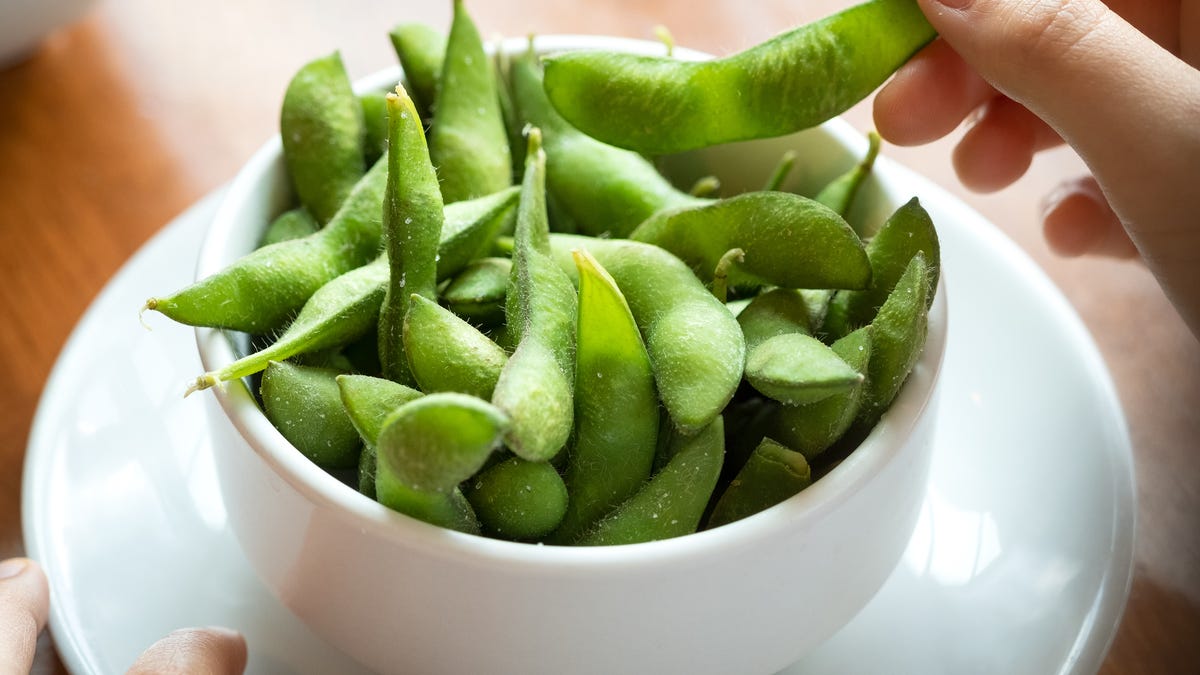
Edamame beans are soft, unripe soybeans native to East Asia. When steamed with a sprinkle of salt, edamame makes for the perfect snack. Here’s why edamame is the nutrient-dense bean you need more of, according to a dietitian.
Is edamame good for you?
Yes. Edamame beans pack a punch with a variety of micro and macronutrients. The beans are also considered to be a complete protein – meaning they have all nine essential amino acids – which is quite unique for a plant-based food, says Yaffi Lvova, a registered dietitian with Banner Health.
According to the U.S. Food & Drug Administration’s Food Data Central, a 1/2 cup of edamame contains roughly 94 calories, four grams of fiber and nine grams of protein, which is slightly more than one egg, Lvova says. Edamame also contains a plethora of vitamins and minerals: B vitamins (including folate), vitamin K, calcium, choline, iron, magnesium, phosphorus and potassium.
What are the health benefits of edamame?
Edamame is also a great source of protein and insoluble and soluble fiber, nutrients that most Americans aren’t getting nearly enough of. Insoluble fiber primarily helps support your gut microbiome, whereas soluble fiber may help manage your cholesterol and lipid levels, and stabilize your blood sugar, says Lvova.
Those nine essential amino acids, too, support a range of bodily functions, playing a critical role in immune function, metabolism and hormone balance, per Cleveland Clinic.
Edamame also contains phytonutrients and isoflavones, and a growing area of research is exploring how these compounds impact health, says Lvova. Some preliminary research suggests the isoflavones found in soy products could help alleviate the symptoms of menopause and lower your risk for certain types of cancer (including breast cancer), but much more research is needed to come to a firm conclusion, per Healthline.
Who should avoid edamame?
In previous years, soybeans have been the center of controversy. But claims linking the beans to breast cancer and lower testosterone levels have since been disproven by numerous studies. “There’s really no reason to be scared of soy unless you are allergic, in which case, don’t eat it,” says Lvova.
Ultimately, edamame is a low-calorie and protein-rich bean, boasting a wealth of potential health benefits. Whether you eat edamame as a snack on its own, or throw it into a soup or salad, this nutrient-dense bean is great to have on rotation to support a well-balanced diet, says Lvova.