
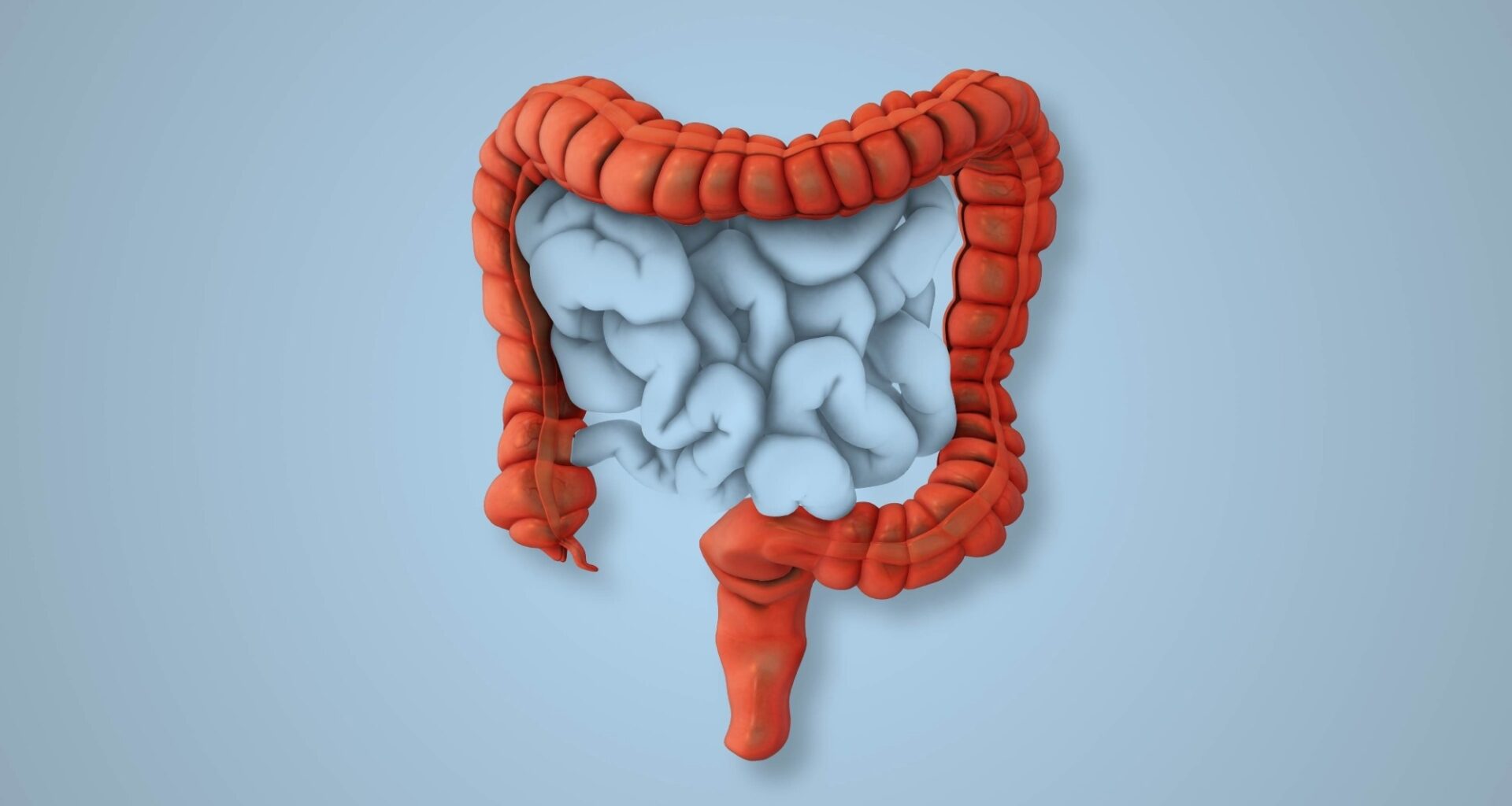
A comprehensive review reveals why the low-FODMAP diet stands out for short-term symptom control, but lasting IBS relief depends on tailored, evidence-based nutrition guided by clinical expertise.
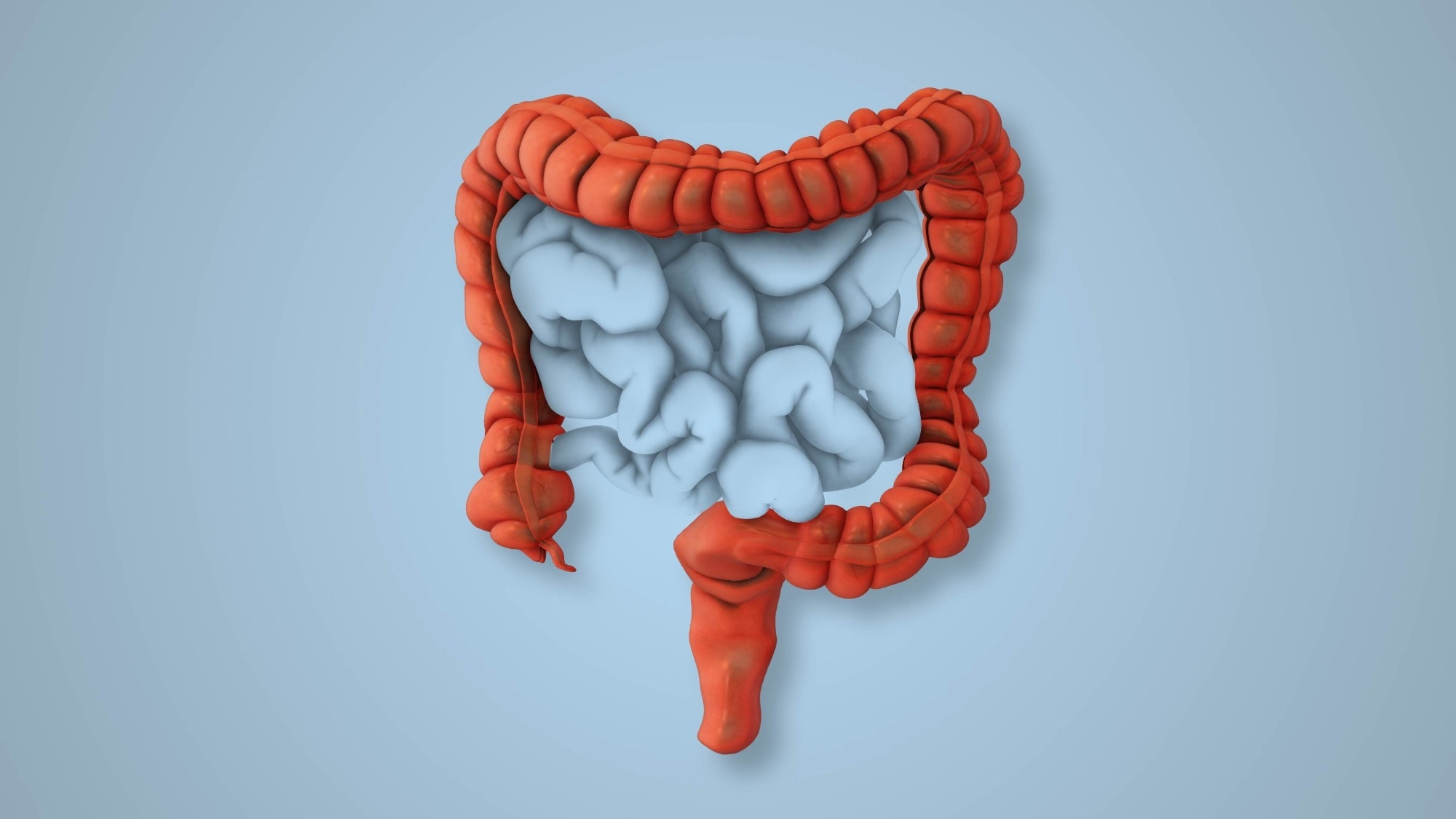
Review: Nutritional Management of Irritable Bowel Syndrome. Image Credit: Silver Place / Shutterstock
In a recent review published in the journal Nutrients, a group of authors analyzed the scientific rationale, effectiveness, and practical applicability of major dietary interventions for Irritable Bowel Syndrome (IBS) in clinical practice.
Background
Did you know that around 10-15% of adults worldwide live with IBS, yet many struggle for years without lasting relief? IBS is among the most prevalent Disorders of Gut-Brain Interaction (DGBI), characterized by pain in the abdomen, bloating, and altered bowel habits that interfere with work, social life, and mental health. Because meals frequently trigger symptoms, dietary modification has become a cornerstone of management. However, with multiple restrictive diets gaining popularity, patients and clinicians face confusion about what truly works. Clear evidence is required to inform safe, sustainable, and personalized nutritional strategies. Further research is needed to determine which dietary approach best fits individual patient profiles.
Traditional dietary advice
Traditional dietary advice remains the most commonly recommended first-line intervention across European guidelines. Rather than a strict diet, it provides structured lifestyle guidance. Patients are encouraged to eat regular meals, avoid skipping food, reduce fatty and spicy meals, limit caffeine and alcohol, maintain hydration, and adjust fiber intake, favoring soluble fiber over insoluble types.
Why does this matter in daily life? Many individuals with IBS notice symptoms worsen after large, late-night meals or excessive coffee intake. Traditional dietary advice directly addresses these patterns. Clinical trials show that nearly half of patients report meaningful symptom relief with this diet, and it is also affordable, flexible, and carries minimal nutritional risk. However, evidence quality is considered low, and results vary depending on how strictly recommendations are implemented and how consistently guidance is delivered across clinical settings.
The Low-Fermentable Oligosaccharides, Disaccharides, Monosaccharides, and Polyols (Low-FODMAP) Diet
The Low-FODMAP Diet (LFD) is among the most researched IBS interventions. FODMAPs are short-chain carbohydrates poorly absorbed in the small intestine. They draw water into the gut, where they are fermented by bacteria, producing gas. In individuals with visceral hypersensitivity, this leads to pain and bloating.
The LFD follows three phases: restriction (4-6 weeks), reintroduction, and personalization. Research shows that in several randomized trials, approximately 55-76% of participants achieved a clinically meaningful reduction of at least 50 points on the Irritable Bowel Syndrome Symptom Severity Scale (IBS-SSS), depending on the comparator and study design. Some trials even demonstrate superiority over medications such as Otilonium Bromide. Notably, American and Canadian guidelines often position the LFD as a first-line option, whereas several European guidelines recommend it after traditional dietary advice.
Beyond symptom control, improvements in anxiety and depression have also been observed in some studies, although psychological outcomes are not consistently assessed across trials. However, long-term concerns exist. The diet may reduce the abundance of beneficial bacteria, such as Bifidobacteria, and decrease the production of short-chain fatty acids. Without a dietitian’s oversight, nutrient deficiencies, such as calcium and iron, can develop. In addition, vulnerable persons, such as those with a history of eating disorders, could be put at risk for Avoidant/Restrictive Food Intake Disorder (ARFID) if they follow an overly restrictive approach to LFD. As a result, although the LFD shows strong short-term evidence of symptom reduction, it must be carefully managed and monitored to remain so. Many trials are unblinded and primarily evaluate the short-term elimination phase, limiting confidence in long-term effectiveness and sustainability.
Controversial benefits of a Gluten-free diet (GFD)
Many IBS patients self-initiate a Gluten-free diet (GFD), even without Celiac Disease. Wheat contains gluten but also Fermentable Oligosaccharides such as Fructooligosaccharides, which may drive symptoms.
Randomized trials show mixed results. Some patients report fewer loose stools and lower IBS-SSS scores on GFD, particularly those with diarrhea-predominant IBS. However, double-blind challenges often fail to confirm gluten as the primary trigger, suggesting that symptom improvement may be more closely related to reduced intake of fermentable carbohydrates than to gluten itself.
From a practical standpoint, GFD can be socially restrictive and costly. Having this diet for a longer period may result in inadequate intake of fiber, vitamin D, vitamin B12, iron, zinc, and magnesium. Therefore, while helpful in selected cases, GFD cannot be universally recommended for IBS.
Mediterranean Diet (MD): A broader approach
The Mediterranean Diet (MD) emphasizes fruits, vegetables, whole grains, olive oil, fish, and moderate dairy intake. Unlike elimination diets, MD focuses on overall dietary quality and anti-inflammatory potential.
Early randomized evidence suggests that adherence to a Mediterranean dietary pattern may reduce IBS-SSS scores compared with a habitual diet, and some studies report improvements in psychological well-being. Patients can maintain it more easily compared with restrictive regimens. Nevertheless, there are Mediterranean foods with FODMAPs, which can trigger symptoms in sensitive patients. This shows that MD can be part of the solution needed by patients who require a less restrictive method, especially those with a history of having accompanying metabolic or psychological issues. However, overall clinical efficacy data remain limited, and further well-controlled trials are needed.
Starch- and sucrose-reduced diet: Precision nutrition
Emerging evidence links hypomorphic variants in the sucrase-isomaltase gene to IBS, particularly diarrhea-predominant forms. The starch- and sucrose-reduced diet limits the intake of both sucrose and digestible starch to reduce fermentation.
Randomized trials report response rates up to 74%, comparable to LFD, based on achieving at least a 50-point reduction in IBS-SSS scores, and non-inferiority trials suggest similar short-term effectiveness. Improvements extend beyond gastrointestinal symptoms to fatigue and headaches. Metabolic benefits, including reductions in insulin and leptin, have also been observed. However, genetic testing for sucrase-isomaltase variants is not routine. Long-term nutritional safety data remain limited, and most evidence comes from relatively short-duration trials, so a starch- and sucrose-reduced diet represents a promising precision-based strategy but requires broader validation.
Other approaches and risks
Low-lactose diet and fructose-reduced diets have been tested but show inconsistent benefits unless true Lactase Deficiency or Fructose Malabsorption is confirmed. A tritordeum-based diet has shown preliminary success but needs larger trials.
Importantly, overly restrictive eating may increase the risk of ARFID, especially in individuals with multiple DGBIs. Personalized guidance is essential to balance symptom control with nutritional adequacy.
Conclusions
This review demonstrates that dietary therapy plays a central role in IBS management. The LFD has the strongest evidence for short-term symptom reduction, while Traditional Dietary Advice remains a safe first-line option. GFD and starch- and sucrose-reduced diet may benefit selected subgroups, and the MD offers a sustainable, holistic alternative. However, no single diet fits all patients. Long-term safety, microbiome effects, and psychological implications must be considered. The findings support the use of a dietitian-led model in which the clinician integrates symptom profile, lifestyle, and metabolic factors to maximize outcomes.
Journal reference:
Colecchia, L., Marasco, G., Meacci, D., Cremon, C., Pivetti, A., Manni, G., Gobbato, A., Xhuveli, M., Di Biase, A. R., Colecchia, A., & Barbara, G. (2026). Nutritional Management of Irritable Bowel Syndrome. Nutrients, 18(4). DOI: 10.3390/nu18040699, https://www.mdpi.com/2072-6643/18/4/699