
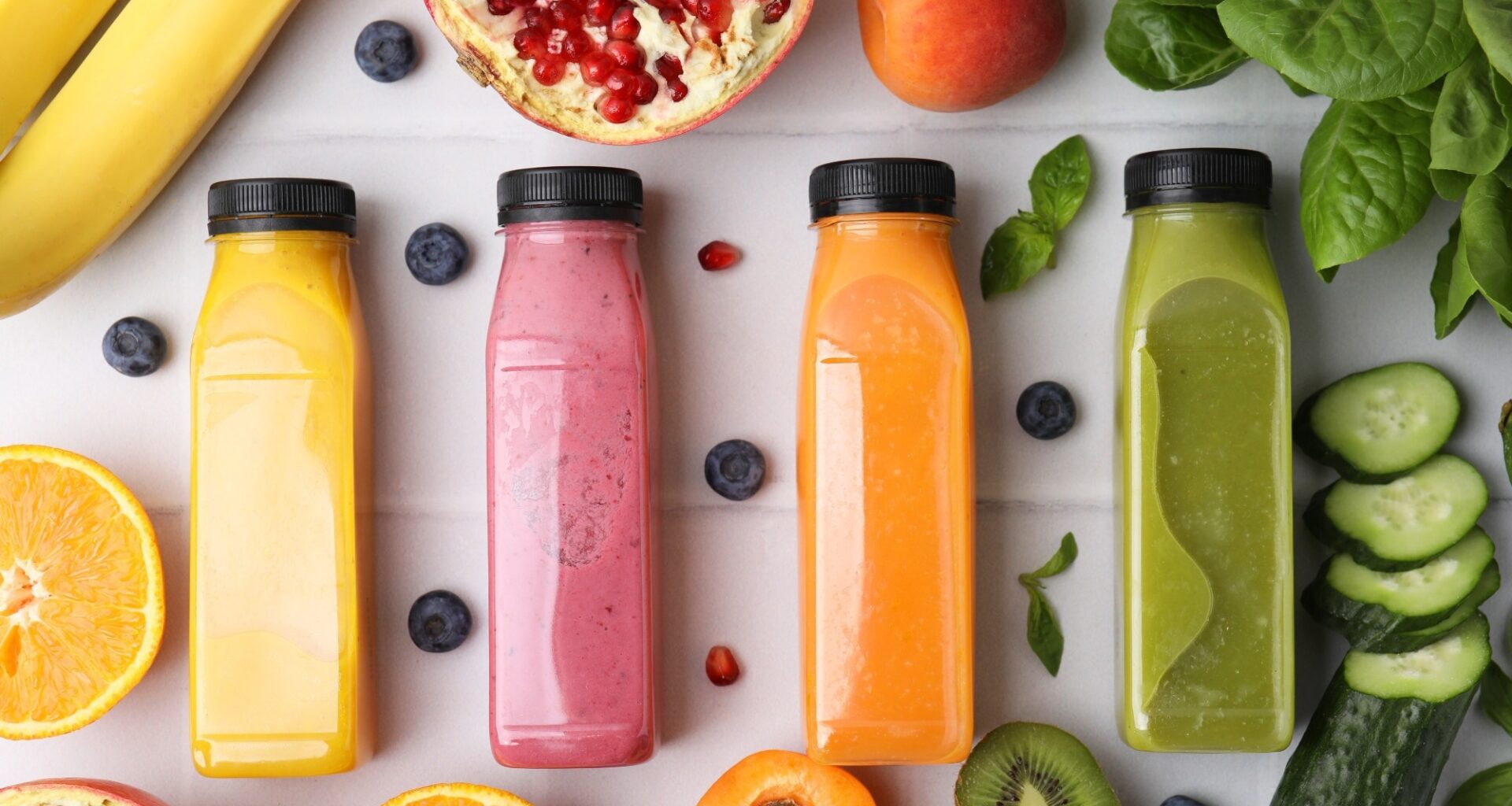
Smoothies may offer a surprising edge over juices and even whole fruit, with researchers linking them to better health markers, but lifestyle factors could be shaping the story.
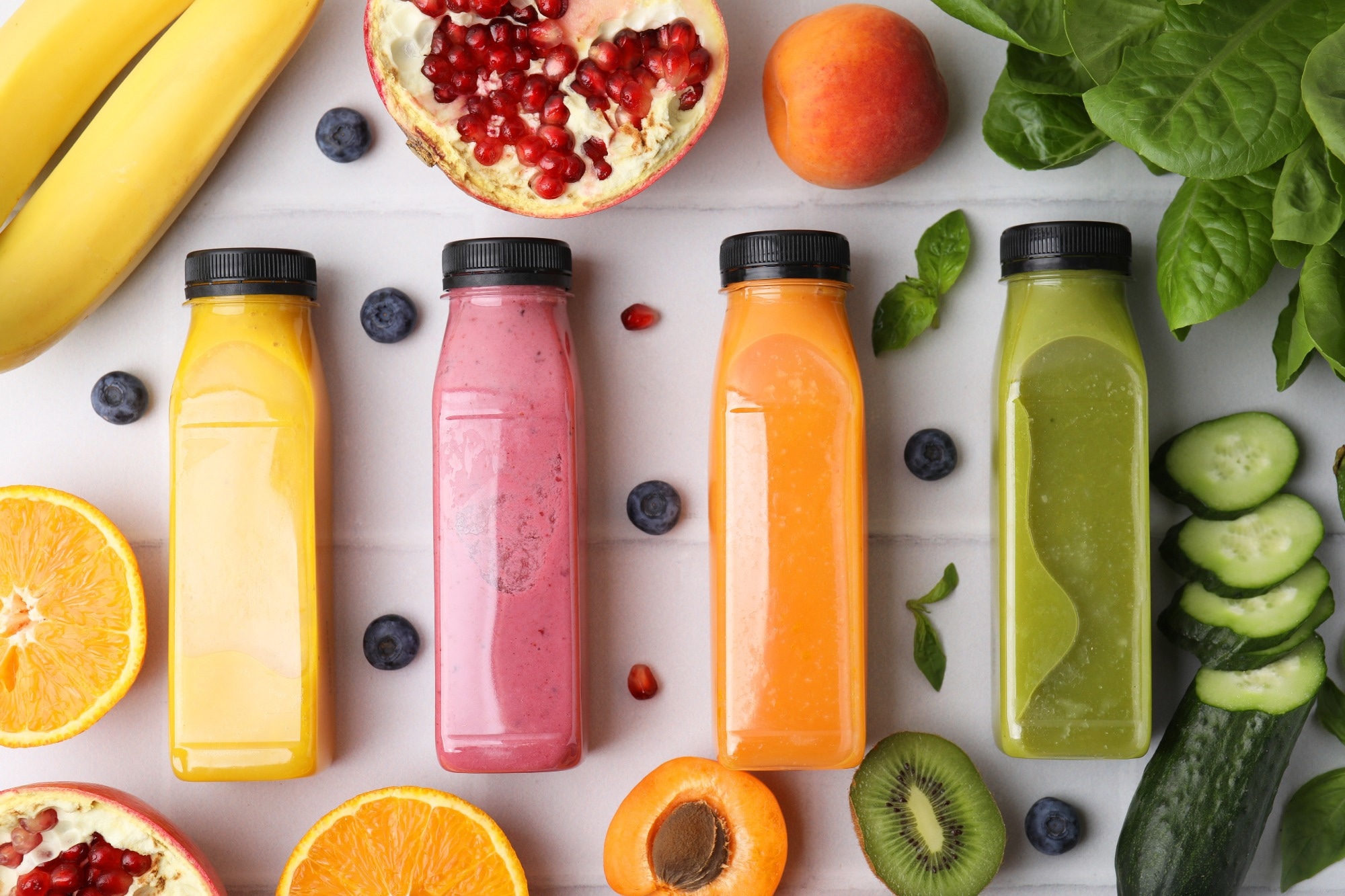 Study: Health associations of various fruit forms: solid fruits, juices, and smoothies. Image credit: New Africa/Shutterstock.com
A study in Frontiers in Nutrition found that certain forms of fruit consumption, particularly fruit smoothies and solid fruit, are associated with better health outcomes than fruit juices.
Fruit consumption benefits and caveats
Fruit consumption is part of a healthy diet, but all forms of fruit consumption are not equal in their health impact. Fruits are packed with fiber, essential nutrients, and antioxidants. They enhance immune function and preserve gut barrier integrity.
However, few studies have focused on fruit consumption in isolation and its relationship to health. Those that do often fail to distinguish between various forms of fruit consumption: juices, smoothies, and solid fruits, though no evidence supports the assumption that they are similar in their effects on health. This silence is echoed by dietary guidelines.
Some fruits have a stronger nutritional profile and lower glycemic index after processing. For instance, 100 % fruit juice, fruit juice without added sugar, provides nutrients in a more bioavailable form. Blending fruit breaks down the cell structures in the pulp, which can improve digestibility and nutrient absorption while still retaining fiber. This process may also affect the glycemic index, the measure of how quickly sugar enters the bloodstream, although evidence on this is mixed, especially when compared to fruit juices.
Some previous studies suggest that fruit juices are associated with higher rates of hyperglycemia and diabetes, while others suggest the opposite trend. However, sweetened fruit juices differ from 100 % fruit juices. The current study explored the effects of commonly consumed fruit forms on health.
Differential fruit consumption patterns
The current study used a convenience sample of 443 participants who reported on their health, diet, and demographic characteristics. This was used to classify them as:
Low fruit consumers (reference group)
Fruit juice consumers
Solid fruit consumers
Fruit smoothie consumers
Most participants were from the middle class and ate little fruit. The number of consumers in the other three categories was similar (between 86 and 97). The study was designed to exclude those who consumed approximately equal amounts of two or more forms of fruit.
Consumers who ate solid fruits or had fruit juices were slightly more likely to have a college education, while fruit smoothie consumers were most likely to exercise and least likely to smoke, drink, or use recreational drugs. The low-fruit group was least likely to exercise and most likely to smoke, drink alcohol, or use recreational drugs.
Prevalence-based comparison
The fruit smoothie group had the best self-rated health, both physical and mental, and high general health indicator scores. They also had the lowest chronic disease prevalence, including hypertension (19 %), high cholesterol (20 %), and diabetes (8 %).
The fruit juice group had the highest prevalence of chronic disease, the lowest health scores, and the most unfavorable general health indicators. Mental health issues and prescription medication use were more than double those in the fruit smoothie group.
Compared to the average of 5.5 physician visits per year in the reference group, closely followed by 4.9 in the fruit juice group, the fruit smoothie group had 2.9 visits per year.
The average body mass index (BMI) was in the normal range among fruit smoothie and solid fruit consumers, compared to the overweight range in the low fruit and fruit juice consumers.
The fruit smoothie group had the highest self-rated health scores, followed by solid fruit, fruit juice, and low-fruit consumers. General health indicators were most favorable in the fruit smoothie and solid fruit group, such as musculoskeletal pain, sleep quality, and energy levels, but lowest in the fruit juice group. However, smoothie consumers also reported higher rates of self-reported high blood sugar, highlighting some inconsistencies in the observed patterns.
Conversely, prior research has suggested that fruit juice provides the least energy and the lowest satiety among forms of fruit.
Adjusted odds analysis
Solid fruit and fruit smoothies were linked to better overall health profiles, though these associations may be influenced by healthier overall lifestyles among these groups. In contrast, fruit juices were associated with poor health outcomes.
After adjusting for other risk factors, the odds of diabetes were 14.6 times higher in the fruit juice group compared to the low fruit reference group. The odds of prescription medication use were more than doubled.
The fruit smoothie group had 60 % lower odds of hypertension and prescription medication use than the reference group. Similar reductions of 70 % to 80 % were observed in the odds of cardiovascular disease and mental health issues.
A similar but less marked improvement in the odds of most of these conditions was observed in the solid fruit group as well. In contrast, fruit juice consumption was associated with the lowest sleep quality and energy.
Solid fruit and fruit smoothie consumers had lower BMIs, better self-rated health, and more favorable scores on general health indicators than the reference group.
Higher micronutrient levels, such as vitamin C and folate, may enhance the antioxidant activity of fruit smoothies. Smoothies may promote satiety and may help improve blood sugar regulation. The authors suggest that these mechanisms could partly explain the association of heart health with smoothies rather than fruit juices.
Study limitations
As a cross-sectional study, the findings show associations rather than cause-and-effect relationships, and are further limited by potential residual confounding, reliance on self-reported data that may introduce recall and social desirability bias, lack of objective measurements of the amount and type of fruit consumed, and the use of a non-representative convenience sample.
The results may also reflect reverse causation, in which individuals with preexisting health conditions choose specific forms of fruit consumption. Additionally, the study did not quantify the amount or types of fruits consumed, which may influence the findings.
Future directions
This study demonstrates that fruit smoothies are associated with the most favorable health outcomes among the groups studied, while low fruit consumption was associated with the worst, followed by fruit juices.
The DASH (Dietary Approaches to Stop Hypertension) Diet does not clearly distinguish among different fruit forms, aside from prohibiting sweetened beverages. Empirical evidence is required to incorporate fruit smoothies into the DASH and Dietary Guidelines for Americans frameworks, which currently include only solid fruit.
Longitudinal studies with more precise measurements of fruit consumption and health outcomes would help improve understanding of diet and shape public health policies.