
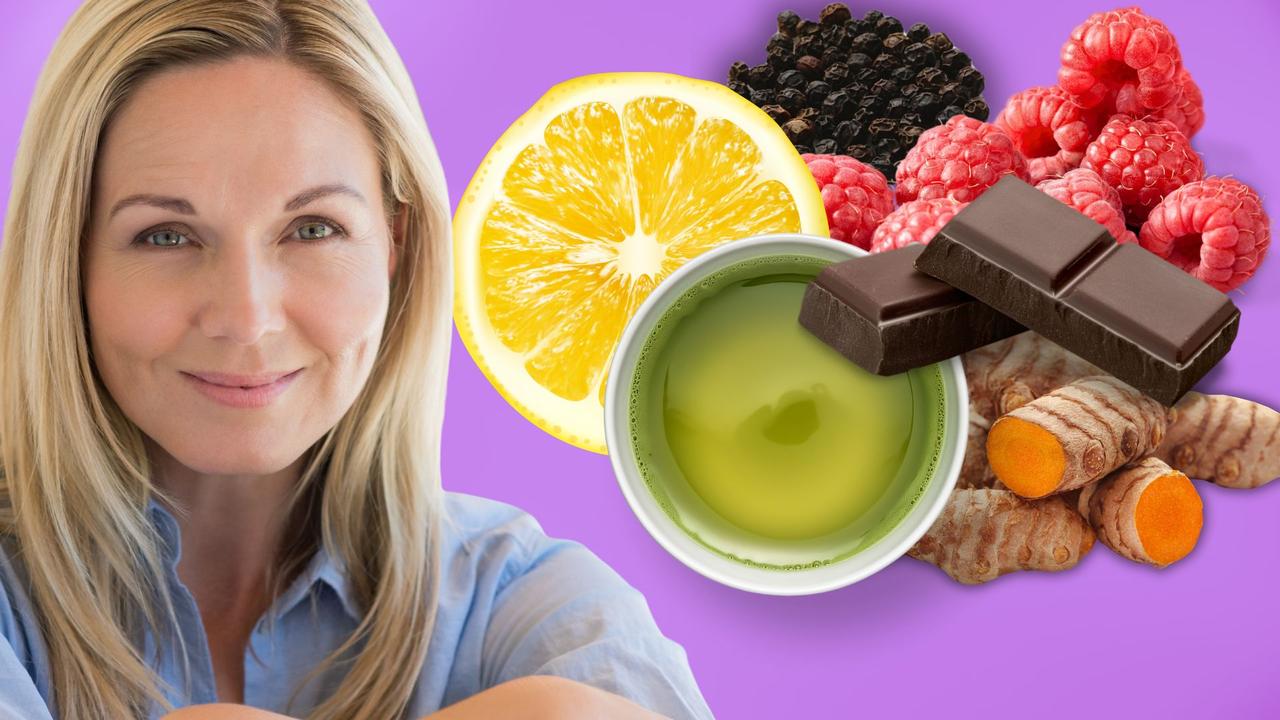
It’s not just the foods you eat that matter but what you eat them with. Food synergy is a scientifically accepted approach to nutrition, and it means pairing foods so they bring out the best in each other.
“The way you serve certain foods helps your body to get the best out of the nutrients and beneficial compounds they contain,” says Eli Brecher, a nutritionist and gut health specialist. “Some foods become nutritionally superior when they are matched with others that help your body to access more of the good stuff they contain.”
Here are some nutritional power pairings no healthy diet should be without.
Have dark chocolate with raspberries for heart health
If you are having a few squares of dark chocolate as a treat, try adding some raspberries. A study in the Journal of Food Composition and Analysis found eating the two together can significantly enhance antioxidant absorption. “Both chocolate and raspberries are rich in polyphenols, plant compounds with antioxidant properties,” says the nutritionist Rhiannon Lambert. “Having both boosts your polyphenol intake and we all need more of those for our heart and general health.”
Poached eggs with spinach for eyesight
Spinach contains the eye-friendly antioxidants lutein and zeaxanthin. These accumulate in the retina to combat oxidative stress, playing a vital role in preventing age-related macular degeneration, says Dr Linia Patel, a spokeswoman for the British Dietetic Association. Eggs also contain antioxidants, essential for maintaining sharp vision, while the egg’s natural fats help your body to absorb the nutrients from spinach more effectively.
“Eating cooked, whole eggs alongside a salad with green leaves, such as spinach, has been shown to substantially increase antioxidant absorption compared with eating the salad alone,” Patel says. “The fat in the egg yolk helps with absorption of lutein and zeaxanthin.”
Spinach is also a source of the fat-soluble vitamin K, which plays a key role in supporting strong bones – eggs help the body to absorb this nutrient too.
Salmon with broccoli for bone strength
The best source of vitamin D is sunshine but some foods, salmon included, provide a good amount. Among its many health-enhancing roles, vitamin D plays an important role in helping the body to absorb calcium – eating the two nutrients combined helps to keep bones and teeth strong.
“Cruciferous vegetables such as broccoli or pak choi are a decent source of calcium and pairing them with salmon means more of the vitamin D in the fish is absorbed,” Patel says. “If you are vegan or vegetarian, try pairing tofu, a source of vitamin D, and calcium-rich tahini.”
Add avocado and watermelon to a salad to protect against disease
Avocados have relatively high amounts – up to 30g per fruit – of fat, most of which is the healthy mono-unsaturated variety also found in olive oil. Serving avocados in a salad brings added benefits as it may increase the amount of the potent antioxidant lycopene found in salad ingredients such as tomatoes, sweet red peppers, watermelon, papaya and grapefruit. Lycopene is a dietary compound known to fight oxidative stress in the body, and a 2026 review in the Journal of Functional Foods confirmed it is associated with reduced incidences of cardiovascular disease, and cancers including prostate, colorectal, breast and lung, when consumed in high amounts in the diet.
“Lycopene is fat-soluble, meaning it needs some oil or fat to be absorbed,” Brecher says. “Pairing lycopene-rich foods with avocados significantly improves absorption.”
Serve salad potatoes in a vinaigrette dressing to slash glycaemic load
The humble spud is an important supplier of vitamin C, vitamin B6, folate and iron, potassium and even fibre (from the skin) in the diet. A downside is that potatoes can cause a sharp blood sugar spike, so the best way to serve them is cooked but cooled in a vinaigrette dressing. Alex Ruani, a nutrition researcher at University College London and chief science educator at the Health Sciences Academy, says doing so can cut the glycaemic load (GL), which determines a blood sugar spike, by 25 per cent.
“Cooling potatoes causes the formation of a hard gelling structure, called retrograded starch, which digestive enzymes find difficult to break,” she says. “Ultimately, fewer starches are absorbed into the bloodstream preventing a sharp spike.”
The addition of an acidic vinegar-based dressing slows stomach emptying, further reducing the GL, according to research in the European Journal of Clinical Nutrition.
Yoghurt and berries – perfect for gut health
Plain natural yoghurt provides protein, vitamin D and calcium for bone health but is also a probiotic, meaning it introduces billions of “good” bacteria to your gut. Last year researchers reported in Gut Microbes journal that yoghurt consumption may change the microbiome, leading to a protective effect for some types of colorectal cancer.
But for a probiotic food such as yoghurt to have optimal effect over time, you need to add a prebiotic to “feed” the beneficial bacteria and keep the microbiome environment thriving.
“Berries are a great option as they are packed with prebiotic fibre and antioxidants in the form of polyphenols,” Patel says. “You can also add some seeds for more prebiotic fibre and healthy fats.”
Add lemon to your green tea for cardiovascular health
Green tea is a rich source of antioxidants, including catechins, that have been shown in numerous studies to be largely responsible for many of its reported health benefits, such as reduced risk of cancer, heart attack and stroke as well as stronger immunity.
However, catechins are sensitive to digestive processes, and typically less than 20 per cent of the total remain after digestion. Add a squeeze of lemon or lime to your tea and it is a different story. Research at Purdue University, Indiana, showed that adding lemon juice to a cup of green tea results in up to 13 times more catechins being absorbed.
“It’s a very strong pairing as the vitamin C in citrus juice helps to stabilise catechins and may improve their absorption after the tea has been drunk,” Brecher says.
Cook tomatoes with olive oil for an antioxidant boost
Tomatoes are among the richest sources of dietary lycopene but cooking them increases the bioavailability of the antioxidant so that more is available for the body to use.
“Plenty of studies have shown lycopene availability is higher when tomatoes have been heated or cooked, and especially if prepared with a dash of oil,” Brecher says. “Preparing them in this way helps to separate the lycopene from the carrier proteins so that lycopene is more easily absorbed.”
Any cooking method, including a short blast in the microwave, will enhance lycopene levels, although Brazilian researchers reporting in the Journal of Culinary Science and Technology suggested lightly steaming tomatoes brushed with oil was the best approach.
Always have black pepper with turmeric to slow ageing
A review in the journal GeroScience suggested that curcumin, the biologically active compound in the bright yellow spice turmeric, has “powerful anti-inflammatory effects and is a very strong antioxidant with great potential to impact on age-related cellular proteins”. It might even have “a positive impact on slowing down the ageing process” according to the authors from the University of Medical Sciences in Tehran. But to boost the effects, Patel recommends adding black pepper whenever you use turmeric in cooking.
“A compound called piperine in black pepper boosts the absorption of turmeric’s active ingredient curcumin,” she says. “Adding them both to dishes enhances the antioxidants you get, although you can also add a pinch of pepper to your turmeric latte.”
This article originally appeared on The Times.
Originally published as From salmon to spinach, simple pairings that make healthy foods more powerful